Your Carpet, Your Choice: 5 Essential Factors to Keep in Mind
November 27, 2023
Selecting the right carpet for your house involves several considerations to ensure that it meets both your aesthetic preferences and practical needs. Here are five important factors to consider:
1.) Material:
- Carpets come in various materials, each with its own set of characteristics. Common materials include wool, nylon, polyester, and olefin. Wool is known for its durability and luxurious feel but tends to be more expensive. Nylon is resilient and easy to clean, making it a popular choice. Polyester is often more budget-friendly but may not be as durable as nylon. Olefin is resistant to moisture and stains, making it suitable for areas prone to spills.
2.) Durability:
- Consider the level of foot traffic in the areas where you plan to install the carpet. For high-traffic areas like living rooms and hallways, you'll want a durable carpet that can withstand wear and tear. Look for carpets with a high twist level in the fibers, as this can contribute to durability. Additionally, consider the carpet's density, which refers to how closely the fibers are packed together. Higher density often correlates with increased durability.
3.) Style and Color:
- The style and color of the carpet can significantly impact the overall aesthetic of a room. Choose a style that complements your decor and personal taste. Lighter colors can make a room feel more spacious, while darker colors may better hide stains and dirt. Consider the design of the carpet as well, whether it's a solid color, a pattern, or a textured finish.
4.) Maintenance and Cleanability:
- Different carpet materials and styles have varying levels of maintenance requirements. Consider your lifestyle and how much time and effort you are willing to invest in cleaning and maintenance. Some carpets are more stain-resistant and easier to clean than others. Carpets with stain-resistant treatments or built-in soil and stain protection can be beneficial, especially in homes with pets or children.
5.) Budget:
- Establish a budget for your carpet purchase, taking into account not only the cost of the carpet itself but also any additional expenses such as installation and padding. While it's essential to stay within your budget, also consider the long-term investment value. Spending a bit more for a higher quality, durable carpet may save you money in the long run by reducing the need for early replacement.
Remember that it's essential to strike a balance between your aesthetic preferences and the practical requirements of the space to ensure you choose a carpet that enhances both the look and functionality of your home.
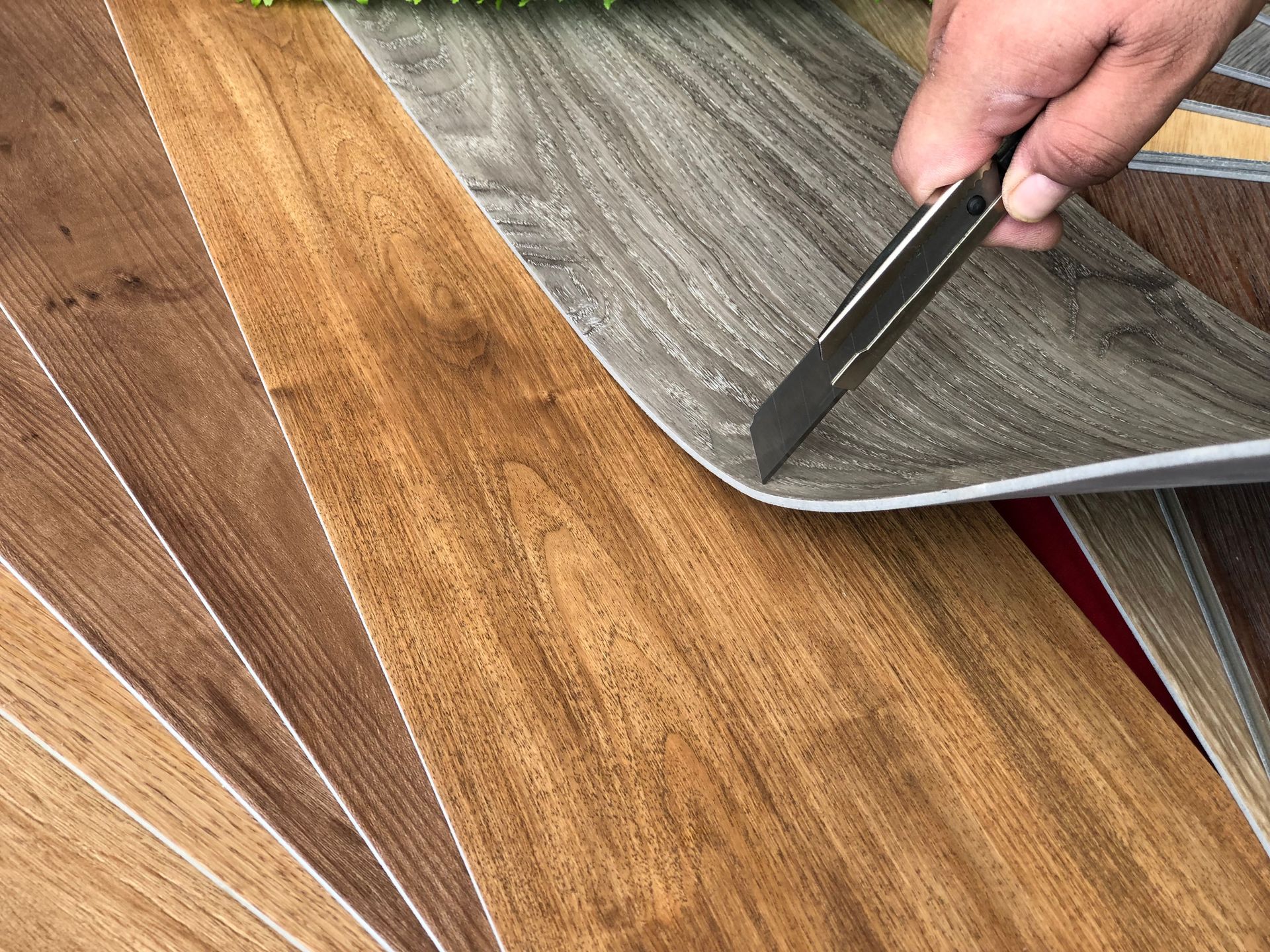
A Homeowner's Guide to Choosing Flooring That Can Handle North Dakota Weather, Pets, and Everyday Life When it comes to choosing new flooring for your home, there's a lot more to consider than just appearance. Living in the Fargo-Moorhead area means dealing with everything from snowy winters and muddy spring days to humid summers, pets, kids, and everyday wear and tear. At The Fargo Flooring Store , one of the most common questions we hear is, "What's the best type of flooring for my home?" The answer depends on your lifestyle, budget, and where the flooring will be installed. Luxury vinyl plank (LVP), laminate, carpet, and hardwood all have their advantages, but understanding the differences can help you make the right investment in your home. Let's break down some of the most popular flooring options and how they perform in homes throughout Fargo, Moorhead, West Fargo, and the surrounding communities. 1. Luxury Vinyl Plank (LVP): A Versatile Option for Busy Households Luxury vinyl plank has become one of the most popular flooring choices for homeowners, and for good reason. It offers the appearance of natural wood with excellent durability and moisture resistance. For homes in the Fargo-Moorhead area, LVP can be an especially attractive option because of the changing seasons. Why homeowners love LVP: Many products feature waterproof planks that are well-suited for everyday spills and wet shoes. Durable wear layers help protect against scratches and everyday traffic. Available in a wide variety of wood-look colors, textures, and styles. Generally easy to clean and maintain. Works well in kitchens, living rooms, hallways, and many basement applications. Things to consider: While many LVP products are marketed as waterproof, that doesn't mean your entire floor installation is waterproof. Moisture beneath the flooring, standing water, and improper subfloor preparation can still create problems. LVP also varies significantly in quality. The thickness, construction, wear layer, and installation method can all affect how well a product performs over time. Best for: Busy households, pet owners, kitchens, entryways, and homeowners looking for durable, low-maintenance flooring. 2. Laminate Flooring: Durability and Realistic Wood-Look Designs If you haven't looked at laminate flooring in the last several years, you might be surprised by how much it has improved. Today's laminate products offer realistic wood visuals, textured surfaces, impressive scratch resistance, and increasingly sophisticated water-resistant technologies. For many homeowners, laminate is worth considering alongside luxury vinyl plank. Why homeowners love laminate: Excellent scratch and wear resistance in many product lines. Realistic wood-grain textures and natural-looking finishes. A wide range of styles and price points. Many modern products offer enhanced protection against everyday spills. A great option for high-traffic living areas. Things to consider: Not all laminate flooring offers the same level of water protection. Some products are designed to resist surface spills for specified periods, while others have more advanced moisture-protection systems. For Fargo-Moorhead homeowners dealing with snow, slush, and wet boots, selecting the right laminate product and following its installation requirements are especially important. At The Fargo Flooring Store, we carry laminate options from manufacturers such as Mohawk RevWood and Mannington , giving customers several choices when comparing durability, appearance, and moisture resistance. Best for: Living rooms, bedrooms, hallways, and busy households looking for a beautiful wood-look floor with strong scratch resistance. 3. Carpet: Comfort and Warmth for North Dakota Winters Hard-surface flooring gets a lot of attention, but carpet remains an excellent choice for many areas of the home. Anyone who has experienced a North Dakota winter knows how nice it can be to step onto something warm and comfortable first thing in the morning. Carpet also offers benefits that hard-surface products simply can't match. Why homeowners love carpet: Soft and comfortable underfoot. Helps make bedrooms and family rooms feel warm and inviting. Absorbs sound and reduces noise between rooms. Available in a wide variety of textures, colors, and price points. Modern stain-resistant options can work well for families with children and pets. Things to consider: Carpet generally requires more regular cleaning than hard-surface flooring and may not be ideal for areas frequently exposed to water, mud, or heavy moisture. Choosing the right carpet fiber, construction, and padding can make a significant difference in how the flooring feels and performs over time. Best for: Bedrooms, family rooms, stairs, and spaces where comfort and warmth are top priorities. 4. Hardwood Flooring: Timeless Beauty and Long-Term Appeal Hardwood flooring has been a favorite among homeowners for generations. Its natural appearance, unique grain patterns, and timeless character can add warmth and elegance to nearly any home. For homeowners who appreciate natural materials, hardwood remains a beautiful option. Why homeowners love hardwood: Authentic natural wood appearance. Timeless style that works with many interior designs. Some hardwood floors can be refinished to extend their useful life. Can be an attractive feature for future homebuyers. Available in numerous species, stains, plank widths, and finishes. Things to consider: North Dakota's climate can present challenges for hardwood flooring. Indoor humidity levels often fluctuate significantly between winter and summer, causing natural wood to expand and contract. Maintaining appropriate indoor humidity is important, particularly during the dry winter months. Hardwood is also more susceptible to moisture damage than many vinyl flooring products, making it less suitable for certain entryways, bathrooms, and moisture-prone basements. Best for: Living rooms, dining rooms, bedrooms, and homeowners who prioritize natural beauty and are comfortable with the maintenance requirements. 5. What Flooring Works Best for Each Room? One of the biggest mistakes homeowners can make is assuming they need the same type of flooring throughout their entire house. In reality, different rooms have different needs. Entryways and Mudrooms: Moisture-resistant luxury vinyl plank (LVP) or appropriately rated laminate flooring are great options for areas that regularly deal with wet shoes, snow, and dirt. Kitchens: Luxury vinyl plank and water-resistant laminate are popular choices because of their durability, easy maintenance, and protection against everyday spills. Living Rooms: Laminate, LVP, hardwood, and carpet can all work well. The best choice depends on your lifestyle, design preferences, and how much traffic the room receives. Bedrooms: Carpet remains a favorite for its warmth and comfort, while laminate, hardwood, and LVP are excellent alternatives for homeowners who prefer hard-surface flooring. Basements: Luxury vinyl plank and certain carpet systems can be good options, provided they are approved for installation over concrete and the subfloor meets moisture requirements. Stairs: Carpet is a popular choice for comfort, traction, and noise reduction. Hard-surface flooring can also work well when installed using appropriate stair materials and methods. Home Offices: Laminate, LVP, carpet, and hardwood are all worth considering depending on your preferred appearance, comfort, and maintenance needs. Ultimately, the best flooring for each room depends on how the space is used, the condition of the subfloor, and your household's everyday needs. 6. Don't Forget About Installation and Subfloor Preparation Choosing the right flooring material is only part of the equation. Even a high-quality flooring product can experience problems if it isn't installed correctly. Depending on your project, proper installation may involve: Removing existing flooring. Evaluating the condition of the subfloor. Addressing uneven surfaces. Checking concrete moisture conditions. Selecting the correct underlayment. Allowing for proper expansion and movement. Following manufacturer installation guidelines. This is especially important in older Fargo-Moorhead homes, where existing floors and subfloors may require additional preparation. At The Fargo Flooring Store, we believe understanding the condition of your space before installation is one of the most important parts of getting a great finished result. So, What Is the Best Flooring for Your Fargo-Moorhead Home? There isn't one flooring product that's perfect for every home. If moisture resistance and easy maintenance are your priorities, luxury vinyl plank may be an excellent choice. If you're looking for impressive scratch resistance and realistic wood visuals, modern laminate flooring deserves a serious look. If comfort, warmth, and softness matter most, carpet is still hard to beat. And if you love the timeless beauty of natural materials, hardwood flooring may be the right investment. The most important thing is choosing flooring that fits your lifestyle, your home's conditions, and your budget. Let The Fargo Flooring Store Help You Find the Right Fit At The Fargo Flooring Store , we help homeowners throughout Fargo, Moorhead, West Fargo, and the surrounding communities find flooring that looks great and performs well for years to come. Whether you're replacing carpet in a bedroom, updating your kitchen, finishing a basement, or installing new flooring throughout your entire home, our team can help you compare products and understand your options. Stop by our showroom to explore flooring samples, ask questions, and get started on your next project. We also offer free estimates and financing options to help make your flooring project more manageable. The Fargo Flooring Store — Helping Fargo-Moorhead homeowners find flooring that fits their homes and their lives.
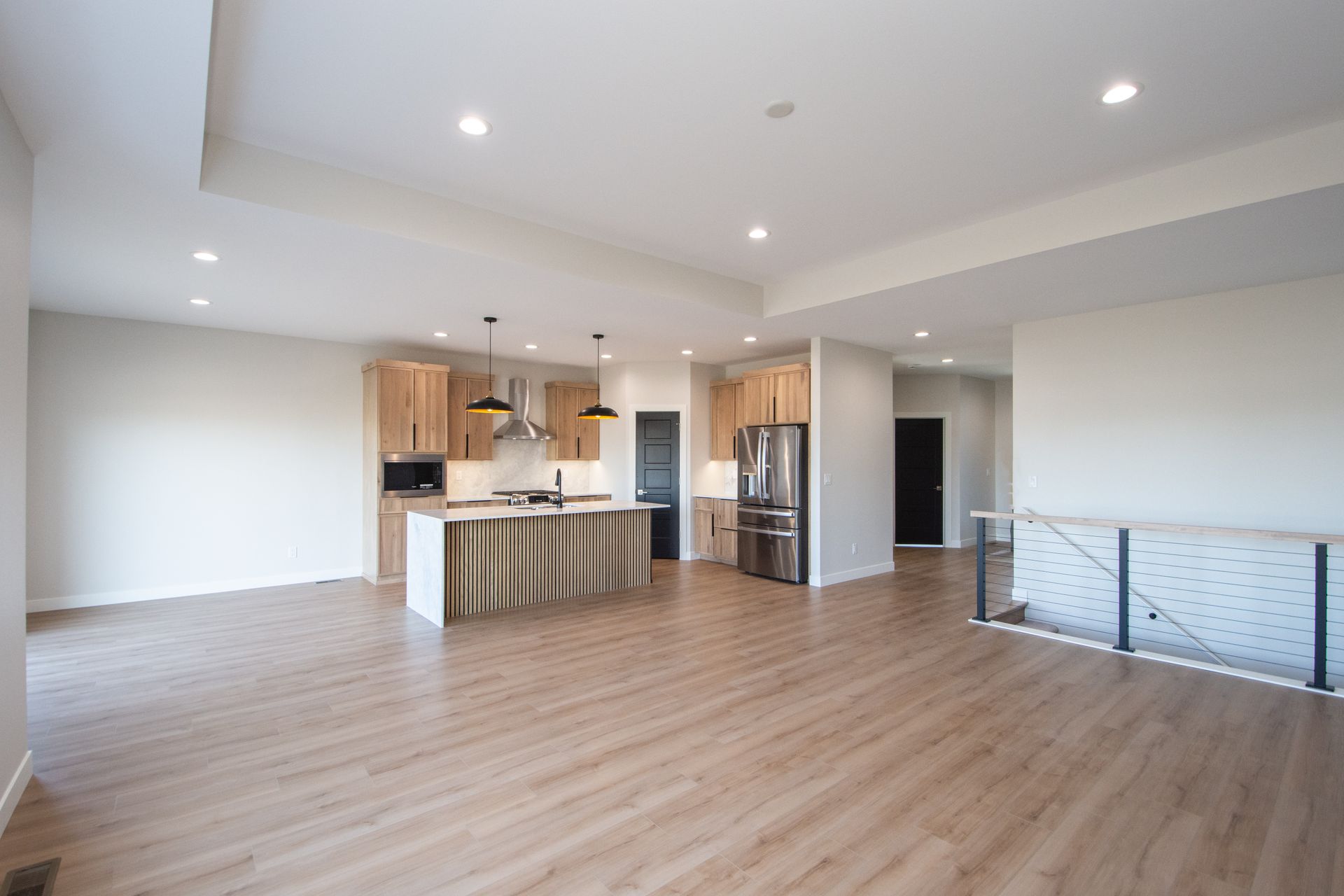
If you're thinking about replacing the flooring in your home, one of the first questions you're probably asking is, "How much is this going to cost?" It's a great question, but the answer depends on several factors. The type of flooring you choose, the size of your project, installation requirements, and even the condition of your existing floors can all influence the final price. At The Fargo Flooring Store in West Fargo , we work with homeowners throughout Fargo, Moorhead, West Fargo, and the surrounding communities to help them find flooring that fits their style, lifestyle, and budget. Whether you're replacing carpet in a bedroom, installing luxury vinyl plank throughout your main floor, or updating the flooring in your entire home, understanding what goes into the cost can help you plan your project with confidence. Let's break down the biggest factors that influence flooring costs. 1. The Type of Flooring You Choose One of the biggest factors affecting the cost of new flooring is the material itself. Different flooring products come with different price points, performance characteristics, and installation requirements. Here are some of the most popular flooring options we help homeowners explore. Luxury Vinyl Plank (LVP) Luxury vinyl plank has become an incredibly popular option for homeowners looking for the appearance of hardwood with practical everyday performance. LVP is available in a wide variety of colors, wood-look designs, textures, and quality levels. It's a popular choice for kitchens, living rooms, hallways, and other high-traffic areas because many products offer excellent water resistance and easy maintenance. However, not all LVP is created equal. Thickness, wear layers, construction, locking systems, and manufacturer warranties can all affect the price. Laminate Flooring Modern laminate flooring has come a long way over the years. Today's laminate products offer realistic wood visuals, textured finishes, and impressive durability. Many newer laminate collections also feature enhanced water resistance, making them worth considering for busy households. Depending on the product, laminate can offer an attractive combination of appearance, durability, and value. Carpet Carpet remains a fantastic flooring option, particularly for bedrooms, family rooms, and other spaces where comfort and warmth are priorities. Carpet prices can vary considerably depending on the fiber type, construction, style, stain resistance, and overall quality. The type of carpet pad you select can also affect the total project cost. For homeowners in North Dakota, carpet continues to be a popular choice for creating comfortable spaces during our colder months. Other Flooring Options Depending on your project, you may also want to explore hardwood, luxury vinyl tile, or other specialty flooring products. Each material has different benefits and installation considerations. Our advice: Don't choose flooring based on price alone. Think about where it will be installed, how much traffic the area receives, whether you have pets or children, and how long you want the flooring to last. The least expensive product isn't always the best long-term value. 2. The Size of Your Flooring Project Square footage plays a major role in determining the overall cost of new flooring. Naturally, replacing the flooring in a 150-square-foot bedroom will generally cost less than updating 1,000 square feet of living space. But the total square footage isn't always the same as the amount of material you'll need to purchase. Most flooring installations require some additional material to account for cuts, waste, room layouts, and installation patterns. For example, a simple rectangular room may require less extra material than a space with multiple corners, closets, hallways, or unusual angles. Stairs, transitions between rooms, and other architectural details can also affect the amount of material and labor required. Helpful tip: Having your flooring professionally measured can help ensure you're ordering the right amount of material and getting a more accurate estimate. 3. Professional Flooring Installation Another important part of your flooring budget is installation. While some homeowners consider installing flooring themselves, professional installation can help ensure the finished product looks great and performs as intended. Installation costs depend on several factors, including: The type of flooring being installed The size and layout of the space The complexity of the installation Stairs, closets, and other detailed areas Flooring transitions and trim work The condition of the existing subfloor For example, installing carpet in a straightforward bedroom is a different process than installing luxury vinyl plank throughout a home with multiple rooms, hallways, and transitions. At The Fargo Flooring Store, we help customers understand both material and installation costs so they can make informed decisions about their projects. 4. Removing and Disposing of Existing Flooring One expense homeowners sometimes overlook is removing the flooring that's already in place. Depending on the existing material, removal can be relatively straightforward or more involved. Removing old carpet and padding is different from removing glued-down flooring, tile, or multiple layers of existing materials. There may also be additional costs associated with disposing of old flooring materials. In some situations, new flooring can be installed over certain existing surfaces, but this depends on the product manufacturer's requirements and the condition of the floor underneath. Before planning your budget, it's important to determine whether your existing flooring needs to be removed. 5. Subfloor Preparation and Repairs This is one of the most important factors in a successful flooring installation, and one that homeowners don't always think about. Your new flooring is only as good as the surface underneath it. If the subfloor is uneven, damaged, or has moisture-related issues, additional preparation may be necessary before installation can begin. Depending on the project, this might include: Leveling or smoothing uneven areas Repairing damaged subfloor sections Addressing moisture concerns Removing old adhesive or flooring residue Preparing concrete or wood subfloors for the new material These steps may add to the initial project cost, but they are important for the appearance, performance, and longevity of your new floors. This is especially relevant in Fargo-Moorhead homes where basements, concrete slabs, and seasonal temperature changes can create additional flooring considerations. Our advice: Proper preparation isn't the place to cut corners. Taking care of issues before installing new flooring can help prevent much more expensive problems later. 6. Additional Materials and Finishing Details Beyond flooring and installation, several smaller items can influence the final cost of your project. Depending on the flooring you select, these may include: Carpet padding or underlayment Transition strips between different flooring surfaces Baseboards or quarter-round trim Stair nosing and stair materials Moisture barriers when required Furniture moving or other preparation services While these items may seem minor individually, they can make a difference in your overall budget. A detailed estimate should help clarify which items are included and which may involve additional charges. 7. How to Budget for Your New Flooring Project Now that you understand what affects flooring costs, how should you approach budgeting? Here are a few recommendations. Start with Your Overall Budget Before choosing a specific flooring product, determine approximately how much you're comfortable investing in the project. This gives your flooring specialist a starting point for recommending products that make sense for your home. Think About Your Priorities Are you most concerned about durability? Comfort? Water resistance? Appearance? Long-term value? Identifying your priorities can help narrow down your choices and prevent you from paying for features you may not need. Compare the Total Installed Cost A flooring product with a lower price per square foot doesn't necessarily mean the entire project will cost less. Different products may require different underlayments, preparation, installation methods, or finishing materials. Comparing complete installed estimates provides a much clearer picture of what you're actually spending. Plan for Unexpected Conditions Sometimes issues beneath existing flooring aren't visible until removal begins. Setting aside a modest contingency in your budget can help you prepare for unexpected subfloor repairs or other necessary work. Consider Financing Options For homeowners who would rather spread out the cost of a larger project, financing may be worth exploring. Ask our team about available financing options and how they may fit into your flooring plans. Financing is subject to lender approval and applicable terms. 8. Is It Better to Replace All Your Flooring at Once? Another common question is whether it's better to replace flooring throughout the entire home or tackle one room at a time. There are advantages to both approaches. Replacing multiple rooms at once can help create a consistent appearance throughout your home and may reduce the need for separate installation visits. However, completing your flooring project in phases can make the cost more manageable. The right approach depends on your budget, the condition of your current flooring, and your long-term renovation plans. If you're considering a whole-home flooring update, our team can help you think through the options and develop a plan that works for you. 9. Why Getting a Professional Flooring Estimate Matters Online flooring prices can be a helpful starting point, but they rarely tell the whole story. Every home is different, and a professional estimate can account for details that are easy to overlook. At The Fargo Flooring Store, we can help you: Explore flooring products that fit your budget and lifestyle Compare different flooring materials and styles Determine the amount of flooring needed Understand installation requirements Identify potential preparation work Plan your project from product selection through installation Our goal is to make the flooring process easier to understand so you can feel confident in your investment. Ready to Update Your Floors? Visit The Fargo Flooring Store! Whether you're planning a small bedroom update or replacing the flooring throughout your entire home, we'd love to help you explore your options. At The Fargo Flooring Store , we offer a wide selection of carpet, luxury vinyl plank, laminate, and other flooring products, along with professional installation services. Our team works with homeowners throughout Fargo, Moorhead, West Fargo, and the surrounding communities to help make flooring projects as straightforward as possible. Stop by our showroom or contact us to get started on your flooring estimate! 📍 The Fargo Flooring Store 405 Main Avenue W, Suite 4G West Fargo, ND 58078 📞 701-781-0184 Beautiful Floors. Great Service. Locally Owned.
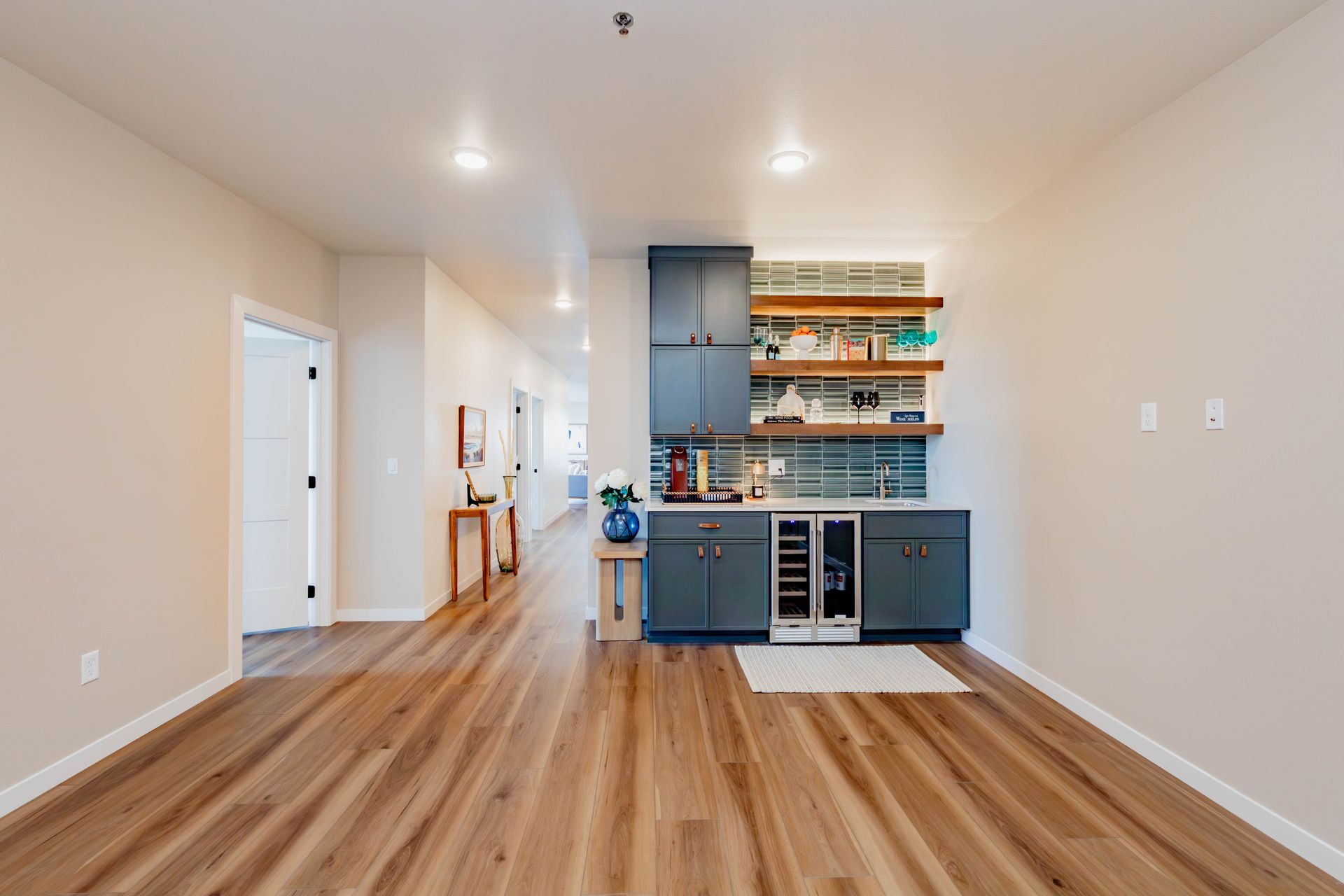
If you're shopping for new flooring, chances are you've come across two popular options: luxury vinyl plank (LVP) and laminate flooring . Both offer beautiful wood-look designs, impressive durability, and a wide variety of styles and colors. But while they may look similar, there are some important differences that can make one a better choice for your home than the other. At The Fargo Flooring Store , we help homeowners throughout Fargo, West Fargo, Moorhead, and the surrounding communities find flooring that fits their style, lifestyle, and budget. Let's break down the differences between LVP and laminate to help you decide which flooring might be right for your next project. 1. What's the Difference Between LVP and Laminate? Luxury vinyl plank and laminate flooring are both designed to replicate the appearance of natural hardwood, but they're made from different materials. Luxury Vinyl Plank (LVP) Luxury vinyl plank typically features a synthetic core, a printed design layer, and a protective wear layer. Many LVP products are waterproof, making them a popular choice for areas where spills and moisture are common. Laminate Flooring Laminate flooring typically features a wood-based core, a realistic photographic design layer, and a protective surface. Modern laminate products offer impressive scratch resistance, realistic wood textures, and improved water resistance compared to older generations. Both products have come a long way in recent years, and today's options can be incredibly difficult to distinguish from real hardwood. 2. Which Flooring Handles Water Better? One of the biggest differences between luxury vinyl plank and laminate is how they handle moisture. Many LVP products are manufactured with waterproof materials, making them a strong option for kitchens, entryways, mudrooms, and other areas where water exposure is a concern. Laminate flooring has also improved significantly. Many newer laminate collections feature water-resistant technology, and some offer enhanced protection against everyday spills. However, water resistance varies by product, and standing water or moisture reaching the subfloor can still cause problems with either flooring type. Our recommendation: If moisture is a major concern, LVP is often worth considering first. However, certain laminate products may also be suitable depending on the room and manufacturer's specifications. 3. Which Is Better for Homes with Kids and Pets? If you have children or pets, durability is probably near the top of your list. Both LVP and laminate can be excellent choices for busy households. Many laminate products offer particularly strong resistance to everyday scratches and surface wear, which can be helpful for homes with active dogs or high foot traffic. Luxury vinyl plank also offers durable wear layers and is available in products specifically designed for active households. Keep in mind that not all LVP or laminate products perform the same way. The quality of the product, its construction, and its protective surface all play an important role. Our recommendation: Compare specific products rather than assuming every laminate or LVP floor performs the same. Our team can help you find options that match your household's needs. 4. Which Flooring Looks More Like Real Hardwood? This is where things get interesting! Both luxury vinyl plank and laminate flooring have become incredibly realistic. Modern manufacturing allows both products to feature natural-looking wood grains, textured surfaces, and beautiful color variations. Laminate can offer highly detailed wood textures, while LVP provides a wide range of realistic designs, plank sizes, and finishes. From light natural oak and warm brown tones to rich, darker finishes, there are plenty of options to complement your home's design. Ultimately, appearance often comes down to personal preference and the specific product you choose. That's why seeing flooring samples in person can make such a difference. 5. What About Comfort and Noise? The way flooring feels underfoot is another factor worth considering. Some LVP products have a slightly softer or more flexible feel, depending on their construction and installation method. Laminate generally has a firmer feel underfoot, although the underlayment and subfloor can make a significant difference. Sound performance also varies depending on the flooring product, attached padding, underlayment, and installation. If you're remodeling an upstairs bedroom, condo, or busy living space, these are important details to discuss before making a final decision. 6. Which Flooring Is More Affordable? Both laminate and luxury vinyl plank are available at a wide range of price points. Entry-level products can be budget-friendly, while premium collections with advanced features and realistic finishes may cost more. It's also important to consider the total project cost, including: Flooring materials Underlayment, if required Subfloor preparation Removal of existing flooring Transitions and trim Professional installation A less expensive flooring product doesn't always mean a less expensive completed project. At The Fargo Flooring Store, we can help you compare your options and find flooring that works within your budget. 7. So, Which Flooring Should You Choose? The answer depends on your home and how you use each space. Luxury vinyl plank may be a great fit if: You're concerned about everyday moisture and spills. You're updating a kitchen, entryway, or mudroom. You want a wide selection of wood-look flooring. You prefer the feel or construction of a particular LVP product. Laminate may be a great fit if: Scratch resistance is a major priority. You want realistic wood textures and finishes. You're updating bedrooms, living rooms, or hallways. You find a laminate collection that fits your style and performance needs. Neither option is automatically better than the other. The right choice comes down to finding the product that fits your home, lifestyle, and budget. Visit The Fargo Flooring Store and Compare Your Options One of the best ways to decide between LVP and laminate is to see the products side by side. At The Fargo Flooring Store , we carry a wide variety of flooring styles and work with trusted manufacturers to help homeowners find products they'll love. Whether you're updating one room or replacing flooring throughout your entire home, our team can help you explore your options, compare products, and coordinate professional installation. Stop by our West Fargo showroom or contact us today for a free flooring estimate! The Fargo Flooring Store 405 Main Ave W, Suite 4G West Fargo, ND 58078 701-781-0184 Beautiful floors start with the right choices. We're here to help you make them.

Upgrade your home with The Fargo Flooring Store! Contact us today for a seamless carpet flooring install that delivers lasting comfort and beauty.
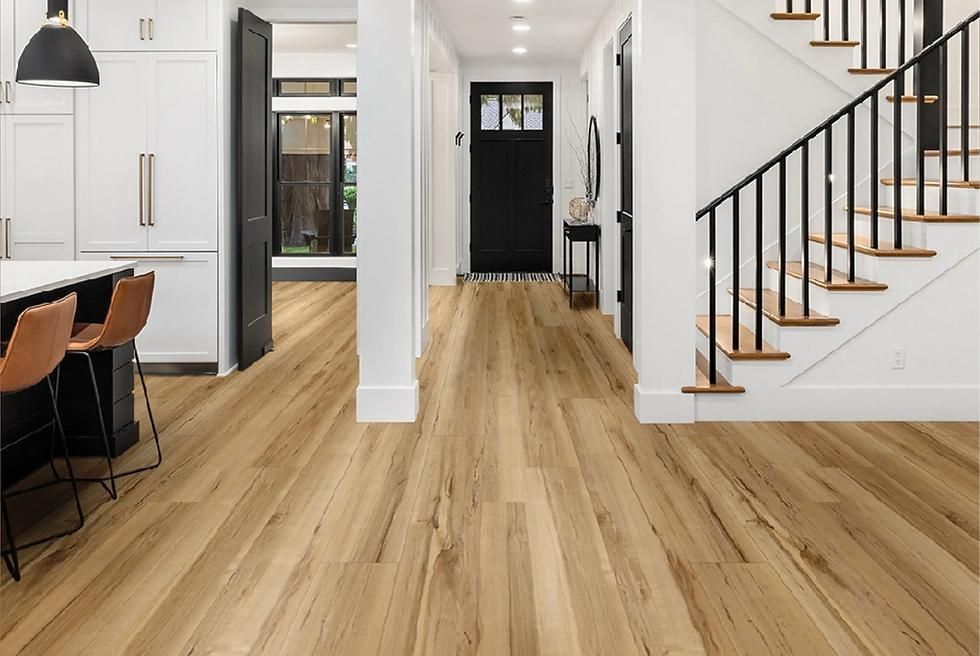
Living in the Fargo-Moorhead area means experiencing just about every kind of weather imaginable. From snowy winters and muddy springs to hot summers, our floors go through a lot throughout the year. At The Fargo Flooring Store , we understand that choosing new flooring isn't just about finding something beautiful. It's about finding flooring that fits your lifestyle, holds up to everyday wear, and looks great for years to come. So, what flooring options work best for homes in North Dakota? 1. Luxury Vinyl Plank (LVP): A Great All-Around Option Luxury vinyl plank has become a popular flooring choice for homeowners, and for good reason. Many LVP products offer excellent water resistance, durability, and realistic wood-look designs. Waterproof options can be especially useful in entryways, kitchens, mudrooms, and other areas where moisture is a concern. LVP is also available in a wide range of colors and styles, from light natural oak to rich, warm wood tones. Best for: Busy households, pets, kitchens, entryways, and main living areas. 2. Carpet: Comfort During Cold North Dakota Winters There's nothing quite like stepping onto soft carpet during a cold winter morning. Carpet continues to be a great option for bedrooms, family rooms, and other spaces where warmth and comfort are priorities. Today's carpet options include stain-resistant fibers and durable materials designed to handle everyday family life. Best for: Bedrooms, family rooms, basements, and comfortable living spaces. 3. Laminate: Beautiful Wood Looks and Everyday Durability Modern laminate flooring has come a long way. Many products offer realistic wood textures, scratch resistance, and water-resistant features that make them appealing for active households. For homeowners who love the appearance of hardwood but want to explore other price points and performance characteristics, laminate is worth considering. Best for: Living rooms, bedrooms, hallways, and busy households. 4. Don't Forget About Proper Installation Even the best flooring product needs to be installed correctly. Subfloor preparation, moisture considerations, proper transitions, and selecting the right installation method can all affect how your floors perform over time. That's why working with an experienced flooring team can make such a difference. 5. The Best Flooring Depends on Your Home There's no single flooring product that's perfect for every home. A family with three dogs and young children may have very different needs than someone remodeling a quiet primary bedroom. When choosing flooring, consider: How much foot traffic the room receives Whether you have pets or children Exposure to water, snow, and moisture Your preferred style and color Your overall project budget Let Us Help You Find the Right Flooring At The Fargo Flooring Store , we're proud to help homeowners throughout Fargo, West Fargo, Moorhead, and the surrounding communities find flooring that looks beautiful and fits their everyday lives. Whether you're updating one room or replacing flooring throughout your entire home, our team can help you explore your options, select the right products, and coordinate professional installation. Visit our West Fargo showroom or contact us today for a free flooring estimate! The Fargo Flooring Store 405 Main Ave W, Suite 4G West Fargo, ND 58078 701-781-0184
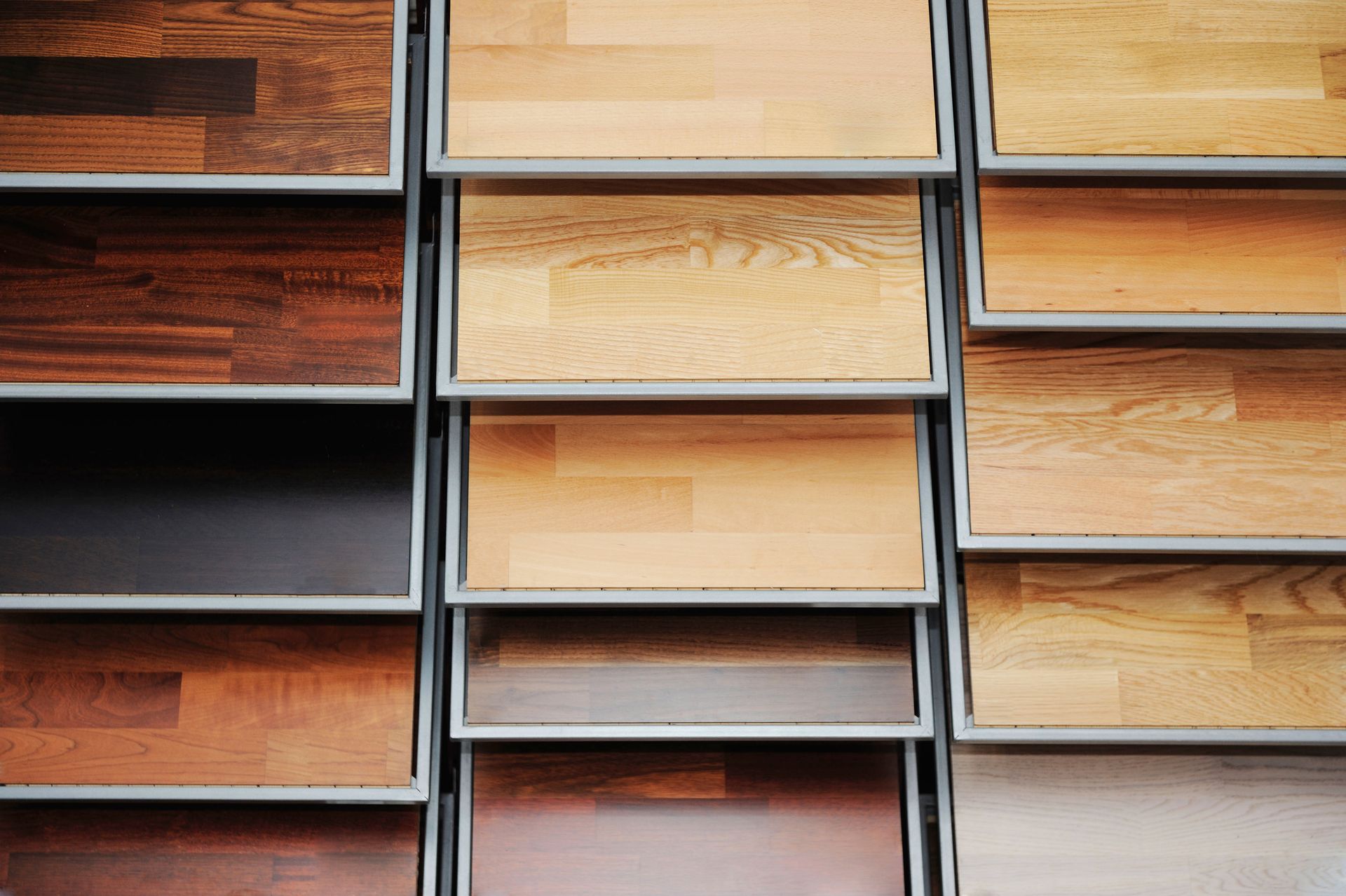
Learn what you need to know when shopping for new flooring! Visit our flooring store to find the right investment for your home.
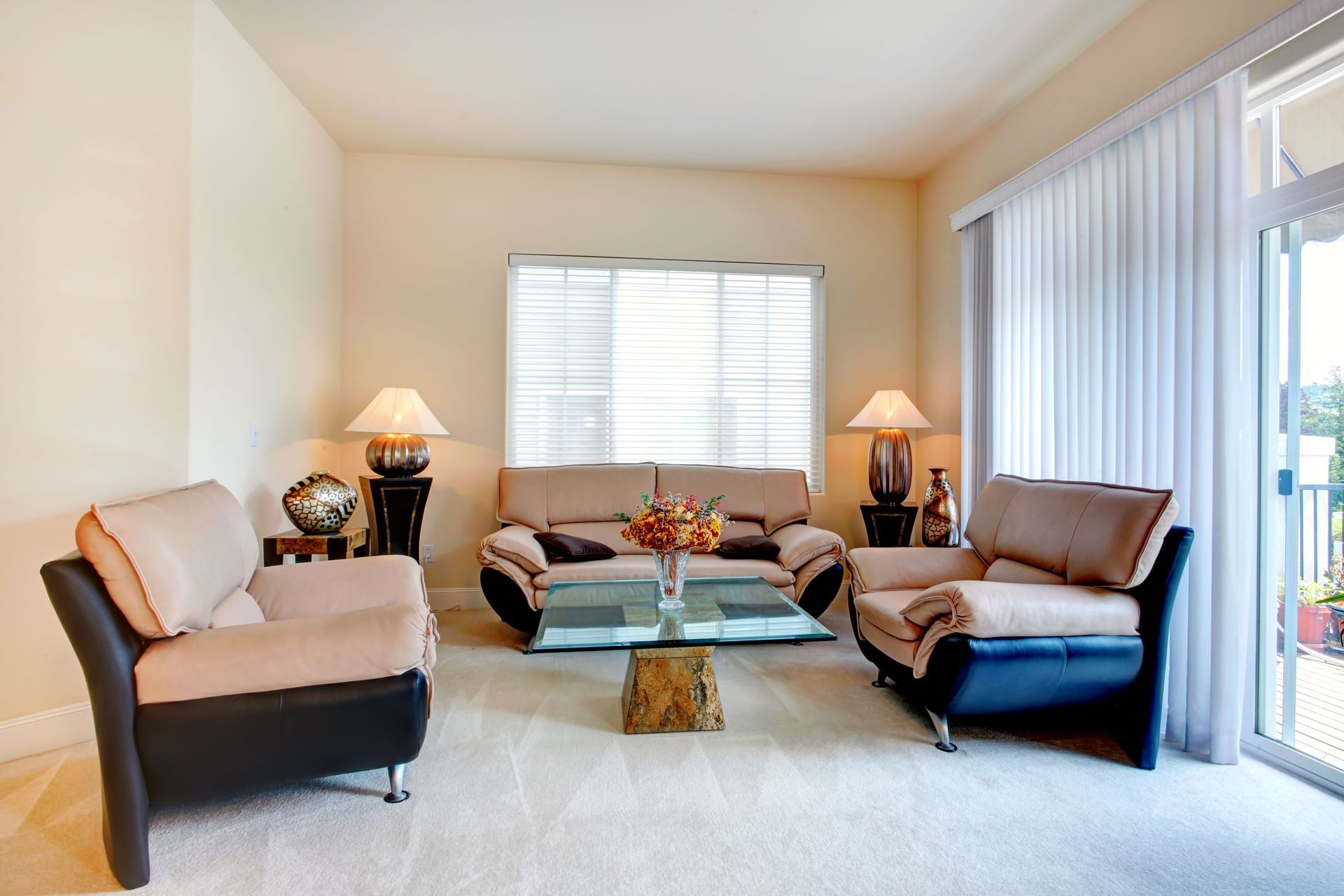
Professional carpet flooring install enhances comfort, insulation, durability, and design value for long-term home performance and style.
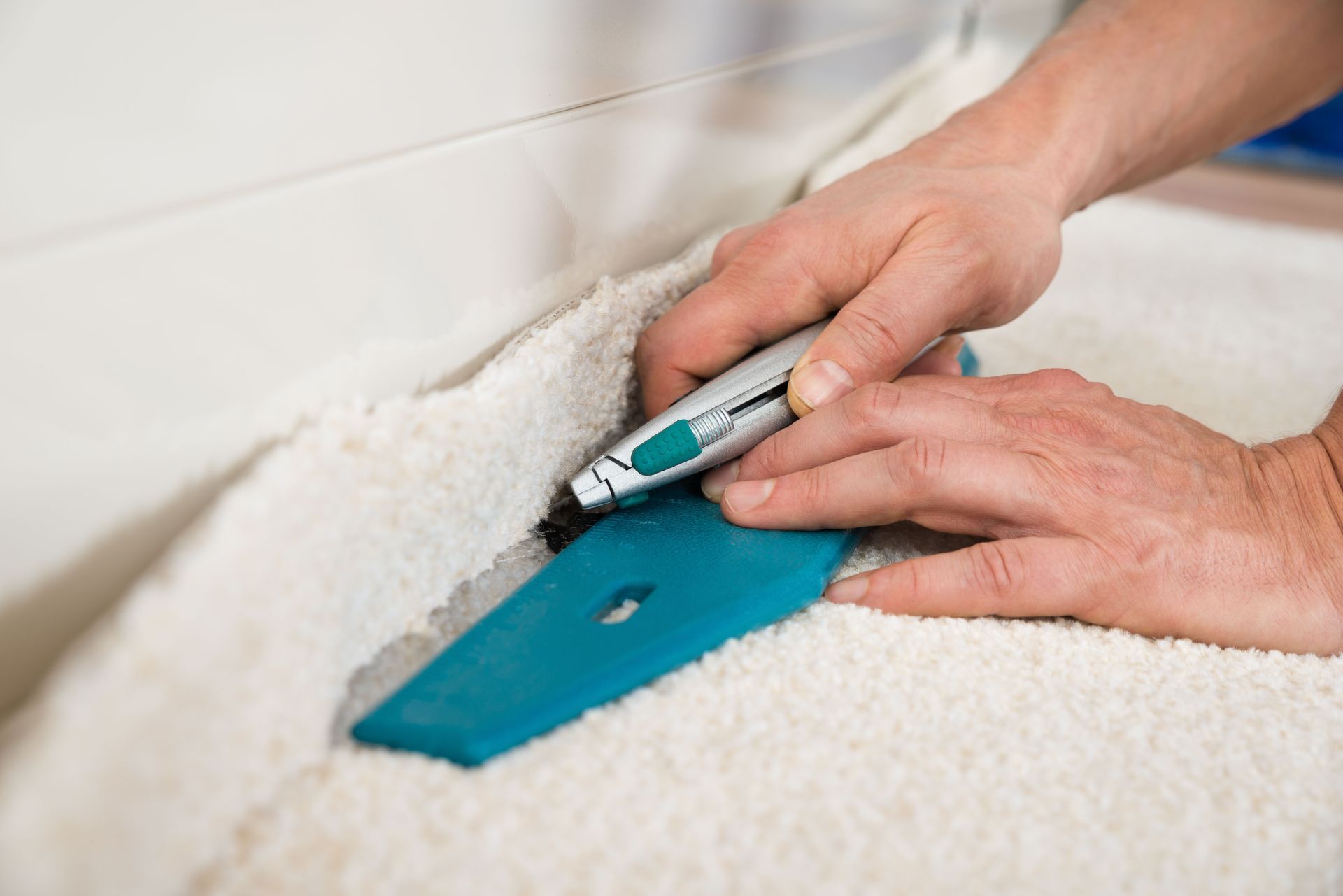
A carpet flooring store offers guidance, quality materials, and expert installation, helping homeowners choose flooring with confidence.
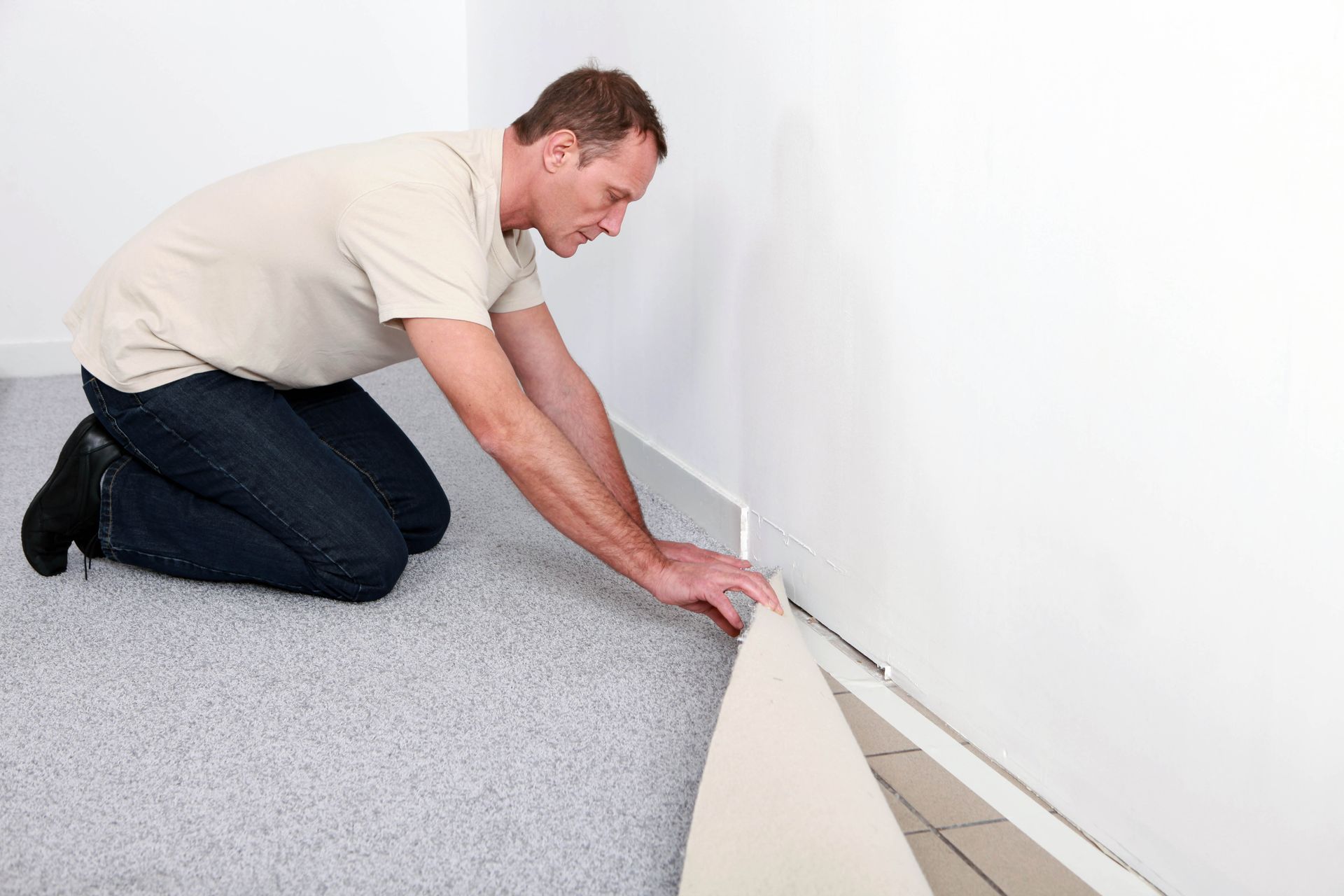
Discover three key benefits of a carpet flooring install, including comfort, insulation, and style to enhance the look and feel of your home or office space.
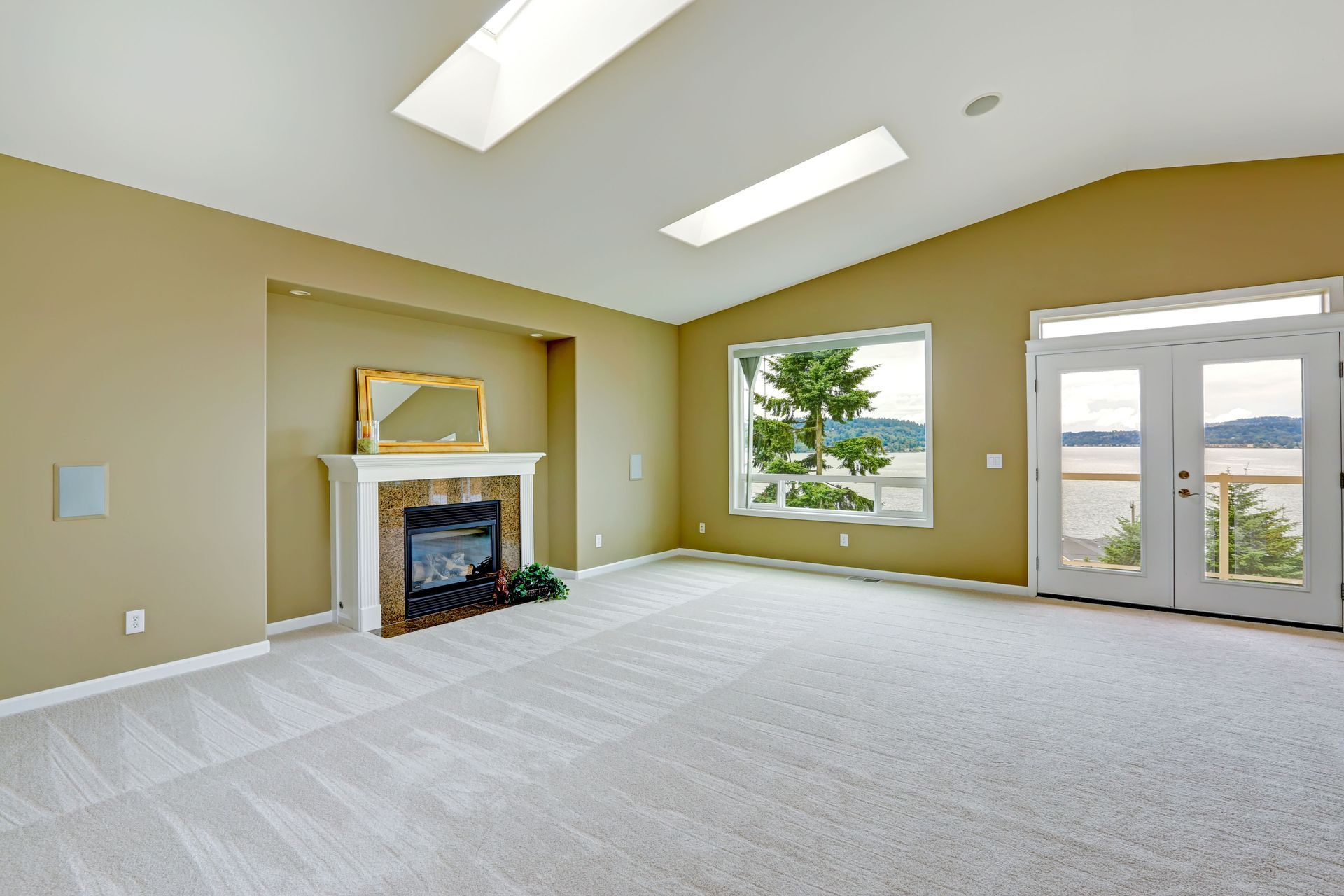
Are you wondering which flooring is best for your home? Read our blog to learn more! If you want carpet flooring, contact our team today.