What You Need to Know When Shopping for New Flooring

April 13, 2026

Shopping for new flooring is one of the most impactful decisions you can make for your home, influencing everything from the look and feel of each room to the overall functionality of your living space. Whether you are drawn to the warmth of hardwood, the durability of tile, or the comfort of carpet, the sheer number of options available at any flooring store can make the selection process feel overwhelming. Add in considerations like room usage, moisture levels, foot traffic, and personal style, and it is easy to see why so many homeowners are not sure where to begin.


Understand the Different Types of Flooring

Visiting a flooring store gives you the opportunity to see and feel the variety of materials available before committing to one. Hardwood flooring is a classic, luxurious choice that offers timeless appeal. Its natural variations add warmth and character to any room, and while it can be vulnerable to scratches and moisture damage, its long lifespan and ability to be refinished make it a worthy investment. Laminate flooring is praised for its affordability and versatility, designed to mimic the look of hardwood while resisting everyday wear and tear. Its protective top layer prevents scratches and stains, making it an ideal choice for families with children or pets, though excess moisture can cause it to warp.


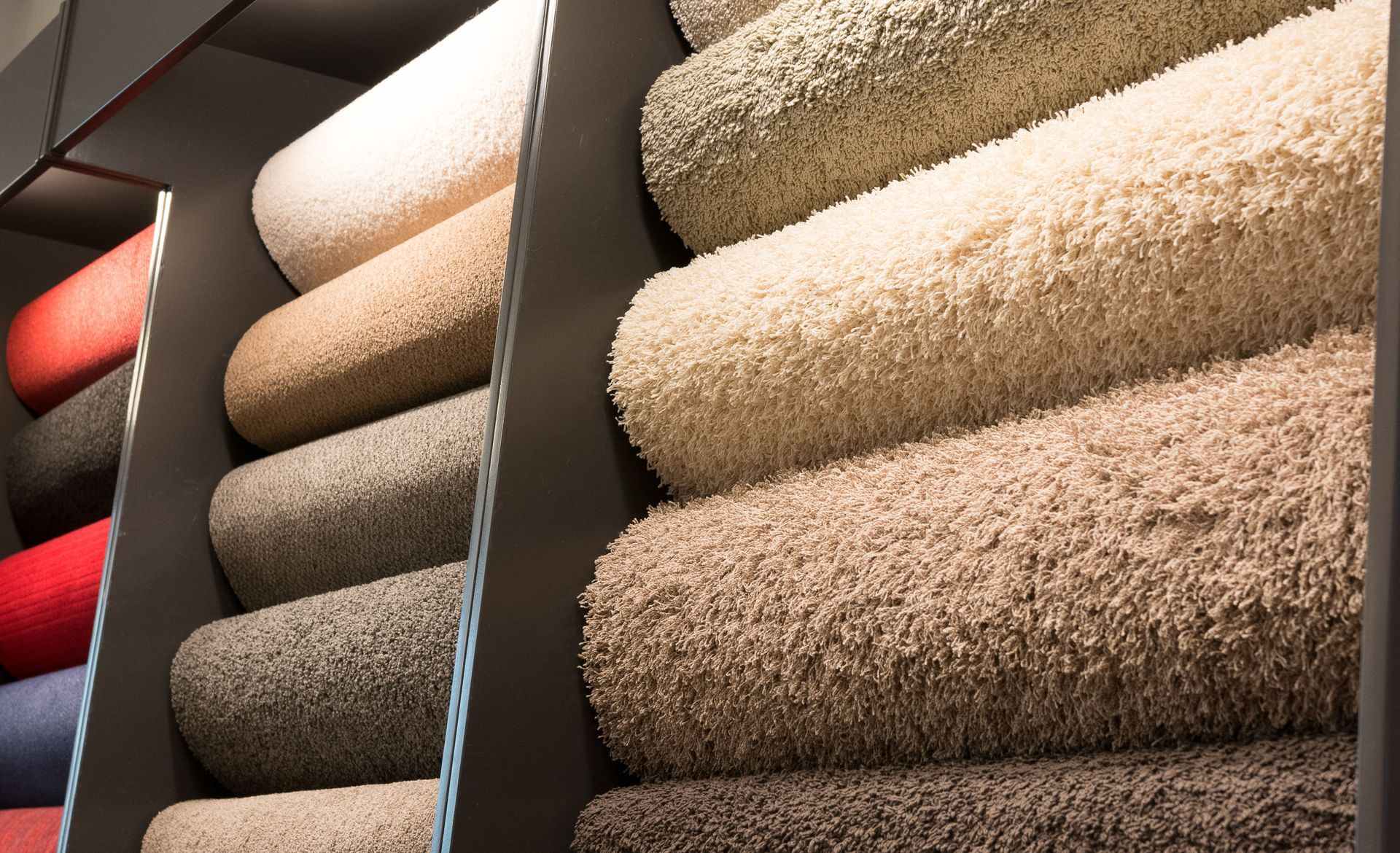
Vinyl flooring is a durable, water-resistant option that suits a wide range of environments. With advances in technology, vinyl can replicate high-end materials while remaining easy to clean and maintain — a practical choice for busy households. Carpet flooring provides comfort and warmth, especially in bedrooms and living rooms, and comes in a variety of textures and colors. However, it tends to trap dust and allergens, so regular cleaning is essential. Tile flooring excels in moisture-prone areas like bathrooms and kitchens. Its resistance to water, stains, and scratches makes it a dependable option, and the wide variety of designs allows for plenty of creativity in interior styling.


Consider the Needs of Each Room

Not every flooring type works well in every room, so it is important to think carefully about how each space is used before making a selection at your flooring store. High-traffic areas like hallways, entryways, and living rooms call for durable materials that can withstand daily wear without showing signs of age too quickly. Bedrooms, on the other hand, may benefit from the softness and comfort of carpet, which adds warmth and a sense of calm to spaces meant for rest. Kitchens and bathrooms present their own unique challenges, as these rooms are regularly exposed to moisture and spills, making water-resistant options such as tile or vinyl the most practical choice. Hardwood, though undeniably elegant, can warp and buckle in high-humidity environments, which is why many homeowners reserve it for drier areas of the home like living rooms, dining rooms, and bedrooms. Taking the time to match the right material to the right room will save you from costly mistakes down the road and ensure that your floors hold up beautifully over time.


Foot traffic patterns and personal style preferences also play a major role in narrowing down your options. Tile and laminate are excellent choices for entrances and hallways due to their hard, resilient surfaces, which resist scratching and are easy to clean after muddy shoes and heavy use. For homeowners who prioritize aesthetics, it is worth thinking carefully about how color, texture, and material will influence the overall feel of a space. Lighter shades tend to open up a room and make it feel more spacious, while darker tones bring richness and coziness to larger areas. The finish of a material also matters — matte finishes offer a more natural, understated look, while glossy surfaces can add a polished, modern touch. 


Navigate the Installation Process

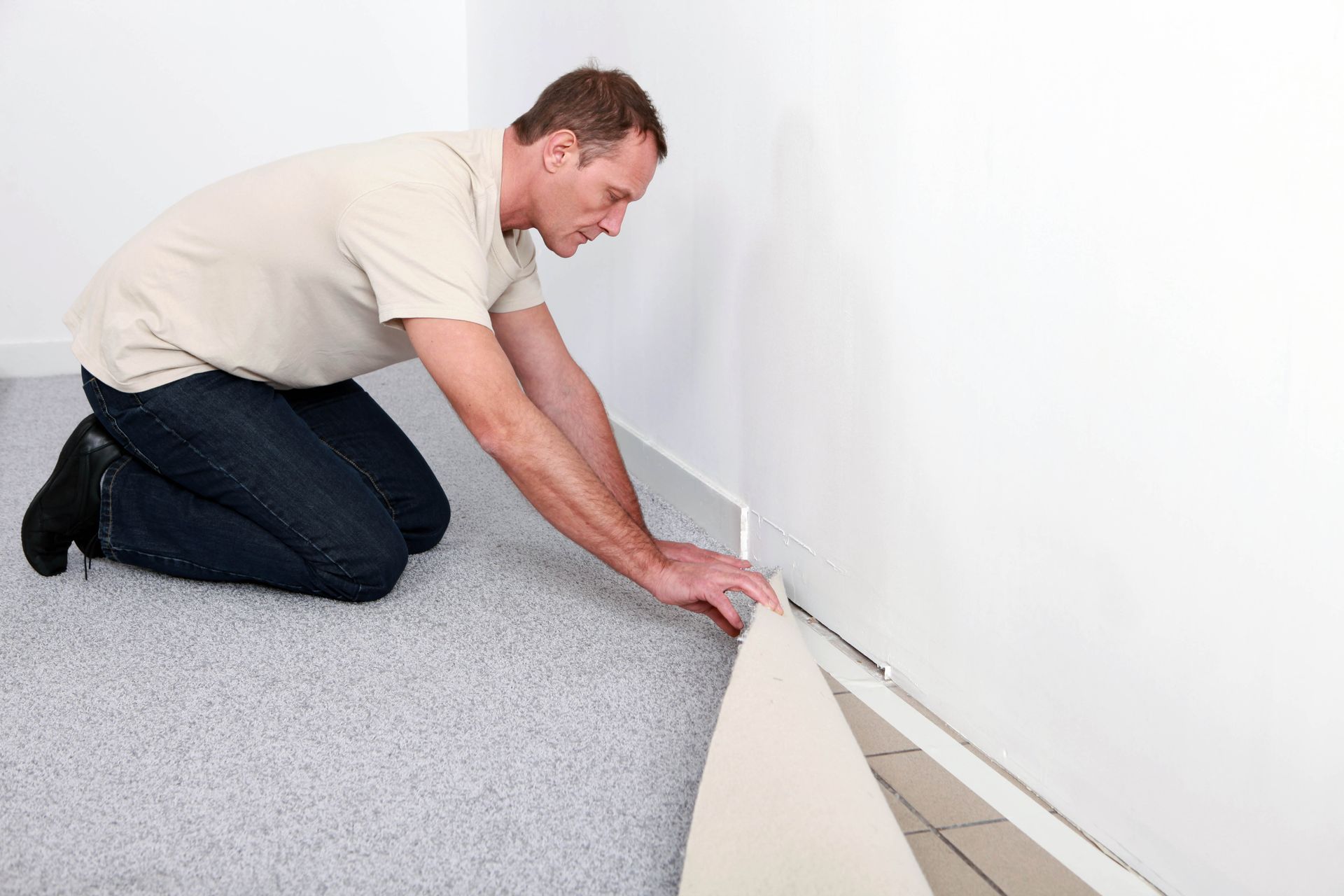
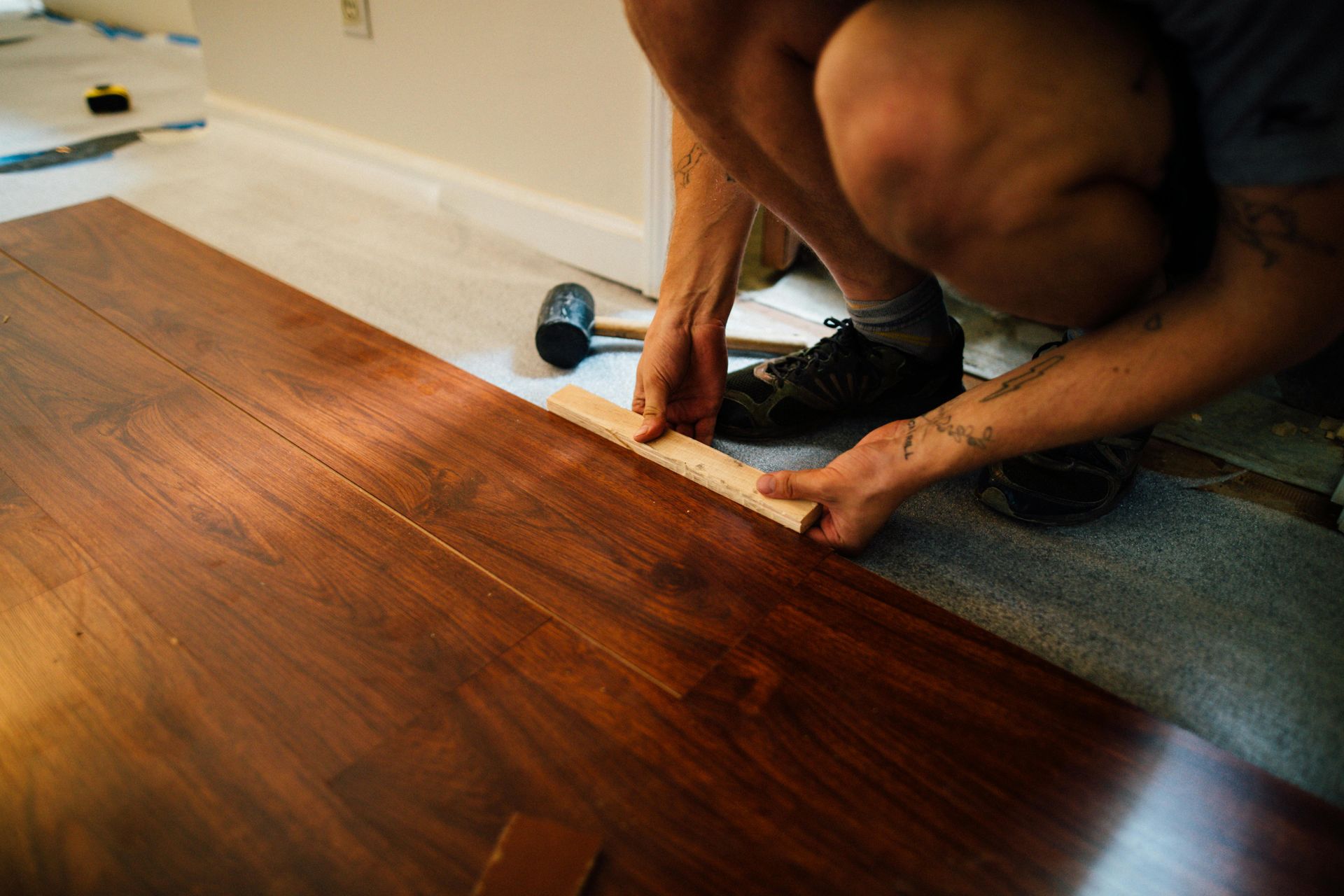
Once you have selected your flooring at a flooring store, understanding the installation process helps set realistic expectations. The decision between hiring a professional and taking a DIY approach impacts both the outcome and the overall timeline. Professionals bring expertise and often offer warranties, while DIY installation can be rewarding but requires careful attention to detail. Either way, proper preparation is essential — this means ensuring a clean, level subfloor and gathering the right tools for the specific material being installed.


The time required for installation varies depending on the flooring type and the size of the room. Tile and hardwood are among the most time-consuming due to their complexity, while laminate and vinyl tend to go more quickly. Common challenges such as uneven subfloors or tricky corners can be addressed with careful planning and accurate measurements. After installation, following the manufacturer's care guidelines and placing rugs or mats at entryways will help protect your new floors and preserve their appearance from day one.


Maintain Your New Floors Properly

Long-term care is just as important as the initial selection and installation. Different flooring materials require different cleaning approaches — hardwood benefits from a damp mop, while carpet needs regular vacuuming to remove dust and allergens. Acting quickly when spills occur is key, as prompt blotting and the use of appropriate cleaning products prevent stains from setting. For hard surfaces, non-abrasive solutions protect finishes and keep the floor looking its best.


According to Revive, new flooring has the potential to increase a home's value by an average of 2–5%, which speaks to the long-term benefit of choosing and caring for your floors wisely. Protecting against furniture scratches is another important step — felt pads under table and chair legs reduce friction, and area rugs under heavy furniture help distribute weight. Seasonal changes, particularly humidity fluctuations, can affect hardwood floors, so monitoring indoor air quality and adjusting humidity levels as needed will help maintain their integrity. Knowing when to refinish or replace a floor is also part of responsible ownership, as worn hardwood can often be refreshed with sanding and refinishing before full replacement becomes necessary.


Explore Eco-Friendly Flooring Options

For homeowners who prioritize sustainability, a quality flooring store will carry a range of environmentally responsible materials worth exploring. Bamboo is a popular eco-friendly option, known for its rapid regrowth after harvesting and its strength, which compares well to traditional hardwoods. Modern processing techniques give bamboo a wide range of finishes and colors, making it both a sustainable and stylish choice. Cork is another renewable option, harvested from the bark of cork oak trees without requiring the removal of the tree itself. Its natural composition provides sound insulation and comfort underfoot, and its hypoallergenic properties make it a great fit for homes with allergy sufferers.


Reclaimed wood flooring offers a third path for eco-conscious buyers. Salvaged from old structures and repurposed, it reduces deforestation and waste while bringing a sense of history and character to any interior. Beyond material selection, sourcing flooring locally can help minimize transportation emissions, and choosing high-quality, long-lasting materials reduces the need for frequent replacement. A reputable flooring store can guide you toward options that align with your environmental values without sacrificing design or durability.


Selecting new flooring is one of the most impactful decisions you can make for your home. By taking the time to understand the different material options, the unique needs of each room, the installation process, proper maintenance, and sustainable alternatives, you can move forward with confidence. The right flooring enhances both the comfort and character of your space for years to come.


If you are ready to find the perfect flooring for your home, contact us at The Fargo Flooring Store today. We will help you explore your options in person at our flooring store, answer your questions, and guide you toward a flooring solution that fits your style, your space, and your lifestyle.
carpet flooring install
February 9, 2026
Professional carpet flooring install enhances comfort, insulation, durability, and design value for long-term home performance and style.
carpet flooring store
December 2, 2025
A carpet flooring store offers guidance, quality materials, and expert installation, helping homeowners choose flooring with confidence.
local flooring store
October 14, 2025
Are you considering new flooring? To learn why you should consider a local flooring store, read on or contact The Fargo Flooring Store today!
carpet flooring install
June 30, 2025
Discover three key benefits of a carpet flooring install, including comfort, insulation, and style to enhance the look and feel of your home or office space.
carpet flooring
November 22, 2024
Are you wondering which flooring is best for your home? Read our blog to learn more! If you want carpet flooring, contact our team today.
December 18, 2023
Nylon and polyester are two common materials used in the manufacturing of carpets. Here are the key differences between nylon and polyester carpet: 1. Durability: Nylon: Generally, nylon carpets are more durable and resilient than polyester carpets. Nylon fibers have a higher level of strength and can withstand heavy foot traffic and abrasion over an extended period. Polyester: While polyester carpets are durable, they may not be as resilient as nylon. They are more prone to matting and crushing, particularly in high-traffic areas. 2. Stain Resistance: Nylon: Nylon has good stain resistance, especially when treated with stain-resistant coatings. It is easier to clean and maintain, making it a suitable choice for areas prone to spills and stains. Polyester: Polyester is naturally more stain-resistant than nylon due to its molecular structure. However, it may be more challenging to remove stains once they occur. 3. Price: Nylon: Nylon carpets are generally more expensive than polyester carpets. The higher cost reflects the enhanced durability and performance characteristics of nylon. Polyester: Polyester carpets are more budget-friendly compared to nylon. They provide a cost-effective option for homeowners looking for a more economical flooring solution. 4. Appearance and Feel: Nylon: Nylon carpets often have a luxurious feel and appearance. They can hold vibrant colors and patterns well, providing a visually appealing and soft texture underfoot. Polyester: Polyester carpets are known for their luxurious and soft feel. They also hold color well, providing a wide range of design options. 5. Moisture Resistance: Nylon: Nylon is more resistant to moisture and is less likely to absorb water. This characteristic makes it suitable for areas with high humidity or occasional spills. Polyester: Polyester is inherently more absorbent than nylon, making it susceptible to moisture absorption. It may be less suitable for areas prone to spills or damp conditions. 6. Environmental Impact: Nylon: Nylon is not biodegradable and is derived from petrochemicals. Some manufacturers produce recycled nylon, contributing to sustainability efforts. Polyester: Polyester can be made from recycled materials, such as PET bottles. It is considered more environmentally friendly than nylon in terms of recyclability.  When choosing between nylon and polyester carpet, it's essential to consider factors such as budget, desired performance characteristics, and the specific requirements of the intended space.
December 11, 2023
The choice of flooring for a new house depends on factors such as personal preferences, lifestyle, budget, and the specific needs of each room. Here are some top flooring products commonly chosen for different areas within a new home:  Hardwood Flooring: Best For: Living rooms, dining rooms, bedrooms. Advantages: Timeless and elegant appearance, adds value to the home, durable and can be refinished. Luxury Vinyl Plank (LVP): Best For: Any room, including high-moisture areas like bathrooms and kitchens. Advantages: Affordable, realistic wood look, durable, easy maintenance, and versatile. Porcelain or Ceramic Tile: Best For: Bathrooms, kitchens, entryways, and high-traffic areas. Advantages: Water-resistant, durable, wide range of styles and designs, easy to clean. Carpet: Best For: Bedrooms, family rooms, home offices. Advantages: Soft and comfortable underfoot, wide variety of colors and textures, can provide insulation and noise reduction. Engineered Hardwood: Best For: Basements, areas with fluctuating humidity levels. Advantages: Real wood veneer, more resistant to moisture than solid hardwood, versatile installation options. Laminate Flooring: Best For: Living areas, bedrooms. Advantages: Budget-friendly, durable, easy to install, available in various styles. Bamboo Flooring: Best For: Living rooms, bedrooms. Advantages: Eco-friendly, unique and natural appearance, durable. Concrete Flooring: Best For: Basements, modern or industrial-style interiors. Advantages: Durable, easy to clean, can be polished or stained for a customized look. Natural Stone: Best For: Entryways, kitchens, bathrooms. Advantages: Timeless and luxurious appearance, durable, can add value to the home. Cork Flooring: Best For: Living rooms, bedrooms. Advantages: Renewable and eco-friendly, comfortable underfoot, resistant to mold and mildew. When choosing flooring for your new house, consider factors like durability, maintenance requirements, aesthetics, and how well the flooring material suits the function of each room. It's also beneficial to balance your preferences with practical considerations to ensure a long-lasting and visually appealing result.
December 4, 2023
Engineered hardwood is a flooring material that consists of a thin layer of real hardwood (veneer) adhered to a core of plywood or high-density fiberboard (HDF). Unlike solid hardwood, which is made from a single piece of wood, engineered hardwood is designed to provide greater stability and resistance to moisture-related issues. Here are some key features and considerations to help you determine if engineered hardwood makes sense for your house: Key Features: Structural Stability: Engineered hardwood is more resistant to changes in temperature and humidity compared to solid hardwood. Its layered construction helps minimize expansion and contraction, making it suitable for various environments, including basements and areas with fluctuating moisture levels. Installation Options: Engineered hardwood can be installed in several ways, including floating, glue-down, or nail-down methods. This versatility makes it suitable for different subfloor types and installation preferences. Appearance: The top layer of engineered hardwood is real wood, providing an authentic and natural look. It is available in various wood species, finishes, and styles, offering a wide range of aesthetic options to complement your home's decor. Versatility: Engineered hardwood can be installed on different levels of your home, including basements, as its structure is less prone to warping or buckling in humid conditions. Compatibility with Radiant Heating: Engineered hardwood is often compatible with radiant heating systems, providing an additional level of comfort in your home. Considerations: Cost: While engineered hardwood can be more cost-effective than solid hardwood, high-quality engineered hardwood can still be relatively expensive. However, the cost savings in installation and potential long-term durability may outweigh the initial investment. Refinishing Limitations: The thickness of the hardwood veneer on engineered flooring determines how many times it can be refinished. Thicker veneers allow for more refinishing, but many engineered hardwood floors have a thinner veneer compared to solid hardwood. Moisture Resistance: While engineered hardwood is more resistant to moisture than solid hardwood, it is not entirely immune. Excessive moisture can still lead to damage, so it's important to address spills promptly and maintain a controlled indoor environment. Perception of Value: Some homeowners may place a higher value on solid hardwood due to its traditional perception and the ability to sand and refinish multiple times. However, the improved stability of engineered hardwood can make it a practical choice for many households. Conclusion: Engineered hardwood can be a suitable and practical flooring choice for many homes, especially those in areas with fluctuating humidity levels or in basements. It combines the beauty of real wood with enhanced stability, offering a versatile and durable flooring option. Consider factors such as your budget, lifestyle, and aesthetic preferences when deciding if engineered hardwood makes sense for your house.
November 27, 2023
Selecting the right carpet for your house involves several considerations to ensure that it meets both your aesthetic preferences and practical needs. Here are five important factors to consider: 1.) Material: Carpets come in various materials, each with its own set of characteristics. Common materials include wool, nylon, polyester, and olefin. Wool is known for its durability and luxurious feel but tends to be more expensive. Nylon is resilient and easy to clean, making it a popular choice. Polyester is often more budget-friendly but may not be as durable as nylon. Olefin is resistant to moisture and stains, making it suitable for areas prone to spills. 2.) Durability: Consider the level of foot traffic in the areas where you plan to install the carpet. For high-traffic areas like living rooms and hallways, you'll want a durable carpet that can withstand wear and tear. Look for carpets with a high twist level in the fibers, as this can contribute to durability. Additionally, consider the carpet's density, which refers to how closely the fibers are packed together. Higher density often correlates with increased durability. 3.) Style and Color: The style and color of the carpet can significantly impact the overall aesthetic of a room. Choose a style that complements your decor and personal taste. Lighter colors can make a room feel more spacious, while darker colors may better hide stains and dirt. Consider the design of the carpet as well, whether it's a solid color, a pattern, or a textured finish. 4.) Maintenance and Cleanability: Different carpet materials and styles have varying levels of maintenance requirements. Consider your lifestyle and how much time and effort you are willing to invest in cleaning and maintenance. Some carpets are more stain-resistant and easier to clean than others. Carpets with stain-resistant treatments or built-in soil and stain protection can be beneficial, especially in homes with pets or children. 5.) Budget: Establish a budget for your carpet purchase, taking into account not only the cost of the carpet itself but also any additional expenses such as installation and padding. While it's essential to stay within your budget, also consider the long-term investment value. Spending a bit more for a higher quality, durable carpet may save you money in the long run by reducing the need for early replacement. Remember that it's essential to strike a balance between your aesthetic preferences and the practical requirements of the space to ensure you choose a carpet that enhances both the look and functionality of your home.
November 21, 2023
Laminate flooring and vinyl plank flooring are both popular choices for homeowners looking for durable and affordable options that mimic the look of hardwood or other natural materials. However, there are some key differences between the two: Material Composition: Laminate Flooring: Laminate consists of a core of high-density fiberboard (HDF) or medium-density fiberboard (MDF) with a photographic layer that simulates wood or other materials. It is typically covered with a clear wear layer for protection. Vinyl Plank Flooring: Vinyl plank flooring is made from polyvinyl chloride (PVC) and has multiple layers, including a backing layer, a core layer, a high-resolution photographic layer to mimic the desired look (such as wood), and a protective top layer. Water Resistance: Laminate Flooring: While laminate flooring is somewhat resistant to moisture, it is not as water-resistant as vinyl plank. Prolonged exposure to water can cause the core to swell and damage the floor. Vinyl Plank Flooring: Vinyl plank is generally more water-resistant and can withstand moisture better than laminate. This makes vinyl plank a better choice for areas prone to spills or high humidity, such as bathrooms and kitchens. Installation: Laminate Flooring: Laminate is typically installed using a click-and-lock or tongue-and-groove system. Some laminate floors require an underlayment for additional support and sound absorption. Vinyl Plank Flooring: Vinyl plank often comes with a click-and-lock installation system, making it easy for DIY installation. It can be installed directly over most existing floors, and some varieties have a peel-and-stick backing for even simpler installation. Durability: Laminate Flooring: Laminate is durable and resistant to scratches and dents, but it can still be susceptible to damage from heavy furniture, sharp objects, or excessive moisture. Vinyl Plank Flooring: Vinyl plank is known for its durability and resistance to scratches, dents, and stains. It is a good choice for high-traffic areas and homes with pets. Appearance and Texture: Laminate Flooring: Laminate can have a more realistic wood look due to its high-resolution photographic layer. However, some people may find that it feels harder and colder underfoot compared to vinyl. Vinyl Plank Flooring: Vinyl plank comes in a variety of styles and textures, including options that mimic wood, stone, or tile. It can have a softer and warmer feel than laminate. Ultimately, the choice between laminate and vinyl plank flooring depends on your specific needs, preferences, and the conditions in the room where you plan to install the flooring.