10 Reasons Why Installing Carpet Flooring Is Worth the Investment

February 9, 2026

Carpet continues to be a popular flooring option for homeowners seeking comfort, warmth, and long-term value. While design trends evolve, carpet remains a reliable choice for creating inviting and functional living spaces. Its versatility allows it to complement a wide range of interior styles while offering practical benefits that extend beyond appearance.


Choosing the right flooring involves balancing aesthetics, performance, and cost. Carpet provides a unique combination of softness, insulation, and durability that appeals to many households. When evaluated as a long-term solution, the advantages often outweigh the initial investment.


A professional carpet flooring install supports consistent quality and lasting performance. Proper installation ensures the flooring functions as intended while maximizing comfort and visual appeal. Understanding the reasons carpet remains a worthwhile investment helps homeowners make confident decisions.


1. Enhancing Comfort and Warmth Throughout the Home


One of the most recognized benefits of carpet is the comfort it brings to interior spaces. The soft surface creates a welcoming feel underfoot, making rooms more enjoyable for everyday living. This comfort is especially valued in bedrooms, living rooms, and family spaces.


Carpet also contributes to thermal insulation by helping retain heat. This added warmth can enhance indoor comfort during colder months while supporting energy efficiency. Homes with carpeted areas often feel cozier and more inviting year-round.


A professional carpet flooring install ensures proper padding and placement, which directly affects comfort levels. Quality installation enhances softness and warmth while supporting long-term durability. This combination adds tangible value to the home environment.


2. Improving Indoor Acoustics and Noise Reduction


Carpet plays a significant role in sound absorption within a home. Unlike hard flooring surfaces, carpet helps reduce echoes and dampen noise from footsteps, voices, and everyday activity. This creates a quieter and more peaceful living environment.


Noise control is particularly beneficial in multi-level homes or shared living spaces. Carpet minimizes sound transfer between rooms and floors, improving overall comfort. These acoustic benefits contribute to a more relaxed atmosphere.


Through expert carpet flooring install services, homeowners can optimize sound reduction across key areas. Proper installation ensures the carpet and padding perform effectively. This makes carpet a practical choice for noise-sensitive environments.


3. Supporting Safety and Slip Resistance


Carpet offers enhanced traction compared to many hard flooring options. Its textured surface reduces the risk of slipping, making it a safer choice for households with children or older residents. This added safety feature contributes to everyday peace of mind.


In addition to slip resistance, carpet provides cushioning that can soften the impact of falls. This feature is particularly valuable in high-traffic living areas and stairways. Carpet helps create a safer indoor environment without sacrificing style.


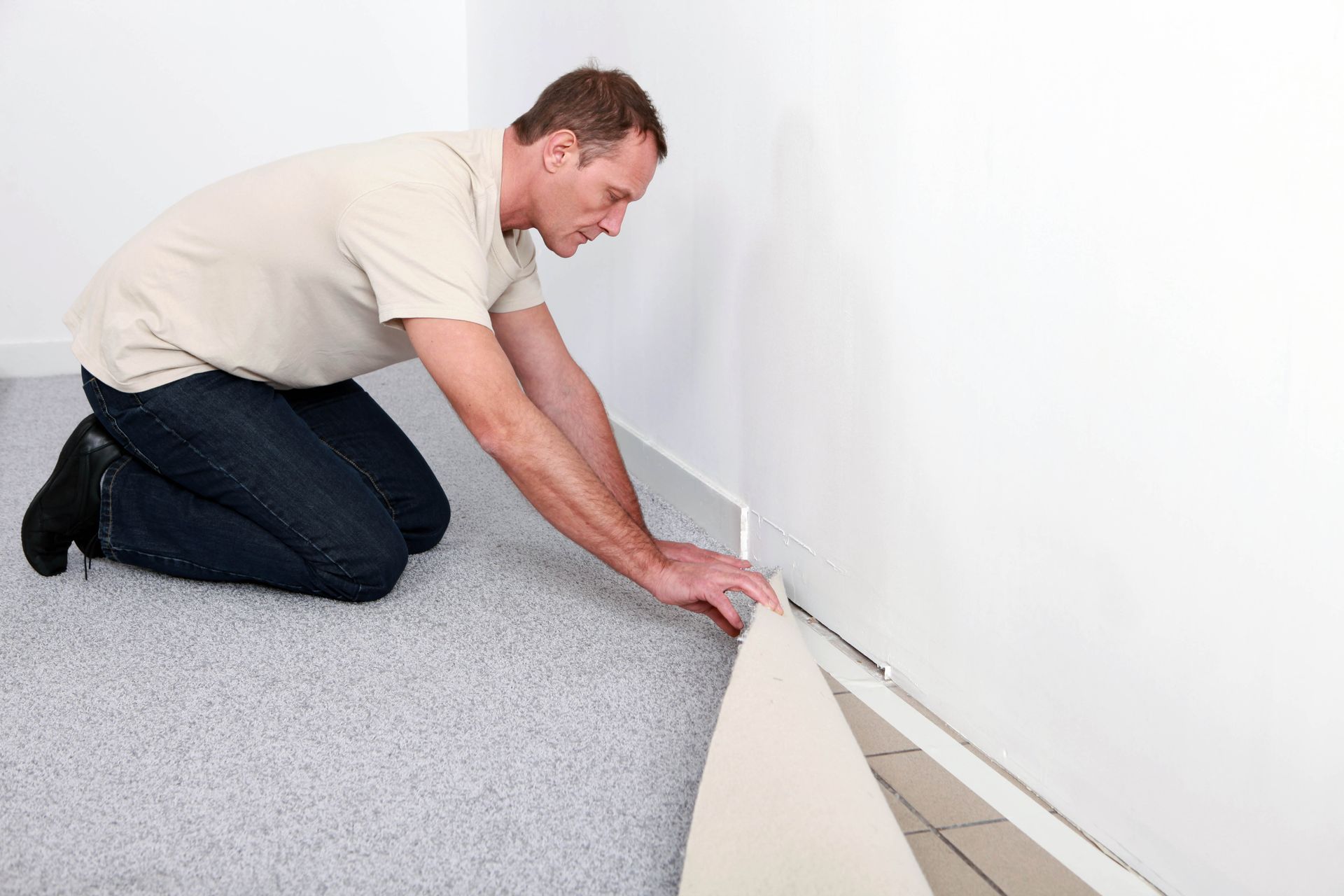
A professional carpet flooring install ensures the material is securely fitted and properly tensioned. Correct installation prevents shifting or bunching that could compromise safety. This attention to detail enhances both performance and protection.


4. Expanding Design Flexibility and Visual Appeal


Carpet offers extensive design versatility, with options available in a wide range of colors, textures, and patterns. This flexibility allows homeowners to tailor flooring choices to their specific style preferences. Carpet can serve as a neutral foundation or a bold design statement.


Different pile heights and textures add visual depth and character to interior spaces. Carpet can complement furniture, wall colors, and décor while creating a cohesive design. Its adaptability makes it suitable for both modern and traditional interiors.


With a professional carpet flooring install, design elements are executed with precision. Proper seam placement and alignment ensure a polished appearance. This level of craftsmanship enhances the overall visual impact of the flooring.


5. Providing Long-Term Durability and Performance


Modern carpet materials are designed to withstand daily wear and maintain their appearance over time. Advances in fiber technology have improved stain resistance and resilience. These enhancements support long-term performance in busy households.


Durability contributes to the overall value of carpet as a flooring investment. When properly installed and maintained, carpet can retain its comfort and appearance for many years. This longevity helps justify the initial cost.


A professional carpet flooring install plays a critical role in durability. Proper stretching and securing prevent premature wear and damage. Quality installation ensures the carpet performs consistently throughout its lifespan.


6. Supporting Energy Efficiency Within Living Spaces


Carpet provides natural insulation that helps regulate indoor temperatures. By reducing heat loss through floors, carpet contributes to energy efficiency. This benefit can help lower heating costs during colder seasons.


Insulating properties also enhance comfort by maintaining stable temperatures. Carpet helps reduce drafts and cold spots, creating a more consistent indoor environment. These advantages support both comfort and efficiency.


A professional carpet flooring install ensures proper padding selection and placement. This enhances insulation benefits while improving overall performance. The result is a flooring solution that supports energy-conscious living.


7. Offering Cost-Effective Flooring Value Over Time


Compared to many hard flooring options, carpet often provides a more accessible initial investment. This affordability makes it an attractive choice for homeowners seeking quality without excessive cost. Carpet delivers strong value when performance and comfort are considered.


Long-term cost efficiency is another important factor. Carpet’s durability and insulating properties can contribute to reduced energy expenses. Its ability to maintain comfort and appearance supports ongoing value.


Through professional carpet flooring install services, homeowners protect their investment. Proper installation minimizes issues that could lead to premature replacement. This approach ensures cost-effectiveness over the life of the flooring.


8. Aligning With Industry Growth and Skilled Expertise


The flooring industry continues to rely on skilled professionals to meet demand. According to Consumer Affairs, employment within the flooring sector is projected to increase modestly, reaching approximately 124,400 workers by the early 2030s. This growth reflects sustained demand for quality flooring solutions.


Skilled installers play a crucial role in delivering reliable results. Their expertise ensures flooring products perform as designed. This professional involvement enhances homeowner confidence in their investment.


Choosing professional carpet flooring install services aligns with industry best practices. Skilled workmanship supports quality outcomes. This expertise reinforces the long-term value of carpet flooring.


9. Delivering Consistent Performance in High-Use Areas


Carpet is well-suited for areas where comfort and durability are equally important. Advances in fiber strength allow carpet to perform effectively in high-traffic spaces. This balance supports both practicality and aesthetics.


Performance-focused carpet options maintain their appearance despite daily use. This reliability makes carpet a suitable choice for busy households. Consistent performance supports long-term satisfaction.


Professional carpet flooring install services ensure proper preparation of the subfloor. This foundation supports even wear and durability. Quality installation helps carpet maintain its performance over time.


10. Reinforcing Long-Term Satisfaction Through Professional Installation


Installation quality directly impacts how carpet performs and appears. Even high-quality materials require precise installation to deliver full benefits. Professional services ensure consistency and reliability.


Improper installation can lead to issues such as wrinkling or uneven wear. These problems diminish comfort and longevity. Professional expertise helps avoid these challenges.


Choosing professional carpet flooring install services supports long-term satisfaction. Attention to detail ensures lasting results. This commitment enhances the overall flooring experience.


Carpet flooring offers a compelling combination of comfort, design flexibility, and long-term value. Its ability to enhance warmth, acoustics, and safety makes it a practical investment for many homes. When paired with professional installation, carpet delivers consistent performance and visual appeal.


Homeowners benefit most when carpet is installed with care and expertise. Professional services ensure proper preparation and precise execution. This approach protects the investment and maximizes benefits.


At The Fargo Flooring Store, we specialize in professional
carpet flooring install solutions designed to enhance comfort, style, and performance. Contact The Fargo Flooring Store today to learn how our experienced team can help you invest in carpet flooring that delivers lasting value and everyday comfort.
carpet flooring store
December 2, 2025
A carpet flooring store offers guidance, quality materials, and expert installation, helping homeowners choose flooring with confidence.
local flooring store
October 14, 2025
Are you considering new flooring? To learn why you should consider a local flooring store, read on or contact The Fargo Flooring Store today!
carpet flooring install
June 30, 2025
Discover three key benefits of a carpet flooring install, including comfort, insulation, and style to enhance the look and feel of your home or office space.
carpet flooring
November 22, 2024
Are you wondering which flooring is best for your home? Read our blog to learn more! If you want carpet flooring, contact our team today.
December 18, 2023
Nylon and polyester are two common materials used in the manufacturing of carpets. Here are the key differences between nylon and polyester carpet: 1. Durability: Nylon: Generally, nylon carpets are more durable and resilient than polyester carpets. Nylon fibers have a higher level of strength and can withstand heavy foot traffic and abrasion over an extended period. Polyester: While polyester carpets are durable, they may not be as resilient as nylon. They are more prone to matting and crushing, particularly in high-traffic areas. 2. Stain Resistance: Nylon: Nylon has good stain resistance, especially when treated with stain-resistant coatings. It is easier to clean and maintain, making it a suitable choice for areas prone to spills and stains. Polyester: Polyester is naturally more stain-resistant than nylon due to its molecular structure. However, it may be more challenging to remove stains once they occur. 3. Price: Nylon: Nylon carpets are generally more expensive than polyester carpets. The higher cost reflects the enhanced durability and performance characteristics of nylon. Polyester: Polyester carpets are more budget-friendly compared to nylon. They provide a cost-effective option for homeowners looking for a more economical flooring solution. 4. Appearance and Feel: Nylon: Nylon carpets often have a luxurious feel and appearance. They can hold vibrant colors and patterns well, providing a visually appealing and soft texture underfoot. Polyester: Polyester carpets are known for their luxurious and soft feel. They also hold color well, providing a wide range of design options. 5. Moisture Resistance: Nylon: Nylon is more resistant to moisture and is less likely to absorb water. This characteristic makes it suitable for areas with high humidity or occasional spills. Polyester: Polyester is inherently more absorbent than nylon, making it susceptible to moisture absorption. It may be less suitable for areas prone to spills or damp conditions. 6. Environmental Impact: Nylon: Nylon is not biodegradable and is derived from petrochemicals. Some manufacturers produce recycled nylon, contributing to sustainability efforts. Polyester: Polyester can be made from recycled materials, such as PET bottles. It is considered more environmentally friendly than nylon in terms of recyclability.  When choosing between nylon and polyester carpet, it's essential to consider factors such as budget, desired performance characteristics, and the specific requirements of the intended space.
December 11, 2023
The choice of flooring for a new house depends on factors such as personal preferences, lifestyle, budget, and the specific needs of each room. Here are some top flooring products commonly chosen for different areas within a new home:  Hardwood Flooring: Best For: Living rooms, dining rooms, bedrooms. Advantages: Timeless and elegant appearance, adds value to the home, durable and can be refinished. Luxury Vinyl Plank (LVP): Best For: Any room, including high-moisture areas like bathrooms and kitchens. Advantages: Affordable, realistic wood look, durable, easy maintenance, and versatile. Porcelain or Ceramic Tile: Best For: Bathrooms, kitchens, entryways, and high-traffic areas. Advantages: Water-resistant, durable, wide range of styles and designs, easy to clean. Carpet: Best For: Bedrooms, family rooms, home offices. Advantages: Soft and comfortable underfoot, wide variety of colors and textures, can provide insulation and noise reduction. Engineered Hardwood: Best For: Basements, areas with fluctuating humidity levels. Advantages: Real wood veneer, more resistant to moisture than solid hardwood, versatile installation options. Laminate Flooring: Best For: Living areas, bedrooms. Advantages: Budget-friendly, durable, easy to install, available in various styles. Bamboo Flooring: Best For: Living rooms, bedrooms. Advantages: Eco-friendly, unique and natural appearance, durable. Concrete Flooring: Best For: Basements, modern or industrial-style interiors. Advantages: Durable, easy to clean, can be polished or stained for a customized look. Natural Stone: Best For: Entryways, kitchens, bathrooms. Advantages: Timeless and luxurious appearance, durable, can add value to the home. Cork Flooring: Best For: Living rooms, bedrooms. Advantages: Renewable and eco-friendly, comfortable underfoot, resistant to mold and mildew. When choosing flooring for your new house, consider factors like durability, maintenance requirements, aesthetics, and how well the flooring material suits the function of each room. It's also beneficial to balance your preferences with practical considerations to ensure a long-lasting and visually appealing result.
December 4, 2023
Engineered hardwood is a flooring material that consists of a thin layer of real hardwood (veneer) adhered to a core of plywood or high-density fiberboard (HDF). Unlike solid hardwood, which is made from a single piece of wood, engineered hardwood is designed to provide greater stability and resistance to moisture-related issues. Here are some key features and considerations to help you determine if engineered hardwood makes sense for your house: Key Features: Structural Stability: Engineered hardwood is more resistant to changes in temperature and humidity compared to solid hardwood. Its layered construction helps minimize expansion and contraction, making it suitable for various environments, including basements and areas with fluctuating moisture levels. Installation Options: Engineered hardwood can be installed in several ways, including floating, glue-down, or nail-down methods. This versatility makes it suitable for different subfloor types and installation preferences. Appearance: The top layer of engineered hardwood is real wood, providing an authentic and natural look. It is available in various wood species, finishes, and styles, offering a wide range of aesthetic options to complement your home's decor. Versatility: Engineered hardwood can be installed on different levels of your home, including basements, as its structure is less prone to warping or buckling in humid conditions. Compatibility with Radiant Heating: Engineered hardwood is often compatible with radiant heating systems, providing an additional level of comfort in your home. Considerations: Cost: While engineered hardwood can be more cost-effective than solid hardwood, high-quality engineered hardwood can still be relatively expensive. However, the cost savings in installation and potential long-term durability may outweigh the initial investment. Refinishing Limitations: The thickness of the hardwood veneer on engineered flooring determines how many times it can be refinished. Thicker veneers allow for more refinishing, but many engineered hardwood floors have a thinner veneer compared to solid hardwood. Moisture Resistance: While engineered hardwood is more resistant to moisture than solid hardwood, it is not entirely immune. Excessive moisture can still lead to damage, so it's important to address spills promptly and maintain a controlled indoor environment. Perception of Value: Some homeowners may place a higher value on solid hardwood due to its traditional perception and the ability to sand and refinish multiple times. However, the improved stability of engineered hardwood can make it a practical choice for many households. Conclusion: Engineered hardwood can be a suitable and practical flooring choice for many homes, especially those in areas with fluctuating humidity levels or in basements. It combines the beauty of real wood with enhanced stability, offering a versatile and durable flooring option. Consider factors such as your budget, lifestyle, and aesthetic preferences when deciding if engineered hardwood makes sense for your house.
November 27, 2023
Selecting the right carpet for your house involves several considerations to ensure that it meets both your aesthetic preferences and practical needs. Here are five important factors to consider: 1.) Material: Carpets come in various materials, each with its own set of characteristics. Common materials include wool, nylon, polyester, and olefin. Wool is known for its durability and luxurious feel but tends to be more expensive. Nylon is resilient and easy to clean, making it a popular choice. Polyester is often more budget-friendly but may not be as durable as nylon. Olefin is resistant to moisture and stains, making it suitable for areas prone to spills. 2.) Durability: Consider the level of foot traffic in the areas where you plan to install the carpet. For high-traffic areas like living rooms and hallways, you'll want a durable carpet that can withstand wear and tear. Look for carpets with a high twist level in the fibers, as this can contribute to durability. Additionally, consider the carpet's density, which refers to how closely the fibers are packed together. Higher density often correlates with increased durability. 3.) Style and Color: The style and color of the carpet can significantly impact the overall aesthetic of a room. Choose a style that complements your decor and personal taste. Lighter colors can make a room feel more spacious, while darker colors may better hide stains and dirt. Consider the design of the carpet as well, whether it's a solid color, a pattern, or a textured finish. 4.) Maintenance and Cleanability: Different carpet materials and styles have varying levels of maintenance requirements. Consider your lifestyle and how much time and effort you are willing to invest in cleaning and maintenance. Some carpets are more stain-resistant and easier to clean than others. Carpets with stain-resistant treatments or built-in soil and stain protection can be beneficial, especially in homes with pets or children. 5.) Budget: Establish a budget for your carpet purchase, taking into account not only the cost of the carpet itself but also any additional expenses such as installation and padding. While it's essential to stay within your budget, also consider the long-term investment value. Spending a bit more for a higher quality, durable carpet may save you money in the long run by reducing the need for early replacement. Remember that it's essential to strike a balance between your aesthetic preferences and the practical requirements of the space to ensure you choose a carpet that enhances both the look and functionality of your home.
November 21, 2023
Laminate flooring and vinyl plank flooring are both popular choices for homeowners looking for durable and affordable options that mimic the look of hardwood or other natural materials. However, there are some key differences between the two: Material Composition: Laminate Flooring: Laminate consists of a core of high-density fiberboard (HDF) or medium-density fiberboard (MDF) with a photographic layer that simulates wood or other materials. It is typically covered with a clear wear layer for protection. Vinyl Plank Flooring: Vinyl plank flooring is made from polyvinyl chloride (PVC) and has multiple layers, including a backing layer, a core layer, a high-resolution photographic layer to mimic the desired look (such as wood), and a protective top layer. Water Resistance: Laminate Flooring: While laminate flooring is somewhat resistant to moisture, it is not as water-resistant as vinyl plank. Prolonged exposure to water can cause the core to swell and damage the floor. Vinyl Plank Flooring: Vinyl plank is generally more water-resistant and can withstand moisture better than laminate. This makes vinyl plank a better choice for areas prone to spills or high humidity, such as bathrooms and kitchens. Installation: Laminate Flooring: Laminate is typically installed using a click-and-lock or tongue-and-groove system. Some laminate floors require an underlayment for additional support and sound absorption. Vinyl Plank Flooring: Vinyl plank often comes with a click-and-lock installation system, making it easy for DIY installation. It can be installed directly over most existing floors, and some varieties have a peel-and-stick backing for even simpler installation. Durability: Laminate Flooring: Laminate is durable and resistant to scratches and dents, but it can still be susceptible to damage from heavy furniture, sharp objects, or excessive moisture. Vinyl Plank Flooring: Vinyl plank is known for its durability and resistance to scratches, dents, and stains. It is a good choice for high-traffic areas and homes with pets. Appearance and Texture: Laminate Flooring: Laminate can have a more realistic wood look due to its high-resolution photographic layer. However, some people may find that it feels harder and colder underfoot compared to vinyl. Vinyl Plank Flooring: Vinyl plank comes in a variety of styles and textures, including options that mimic wood, stone, or tile. It can have a softer and warmer feel than laminate. Ultimately, the choice between laminate and vinyl plank flooring depends on your specific needs, preferences, and the conditions in the room where you plan to install the flooring.
carpet and flooring store
November 16, 2023
If you’re considering reflooring parts of your home, you need to find a great carpet and flooring store. Here are just three qualities to look for.