Luxury Vinyl Plank vs. Laminate Flooring: Which Is Right for Your Home?

7080862447 • October 20, 2026

If you're shopping for new flooring, chances are you've come across two popular options: luxury vinyl plank (LVP) and laminate flooring.


Both offer beautiful wood-look designs, impressive durability, and a wide variety of styles and colors. But while they may look similar, there are some important differences that can make one a better choice for your home than the other.


At The Fargo Flooring Store, we help homeowners throughout Fargo, West Fargo, Moorhead, and the surrounding communities find flooring that fits their style, lifestyle, and budget.


Let's break down the differences between LVP and laminate to help you decide which flooring might be right for your next project.


1. What's the Difference Between LVP and Laminate?


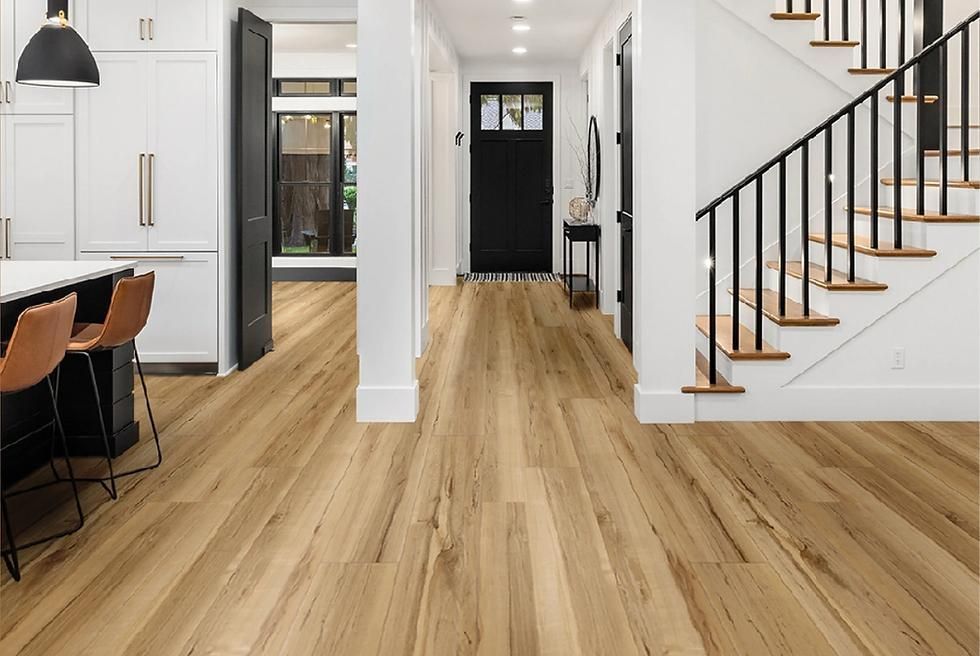
Luxury vinyl plank and laminate flooring are both designed to replicate the appearance of natural hardwood, but they're made from different materials.


Luxury Vinyl Plank (LVP)

Luxury vinyl plank typically features a synthetic core, a printed design layer, and a protective wear layer. Many LVP products are waterproof, making them a popular choice for areas where spills and moisture are common.


Laminate Flooring

Laminate flooring typically features a wood-based core, a realistic photographic design layer, and a protective surface. Modern laminate products offer impressive scratch resistance, realistic wood textures, and improved water resistance compared to older generations.


Both products have come a long way in recent years, and today's options can be incredibly difficult to distinguish from real hardwood.


2. Which Flooring Handles Water Better?


One of the biggest differences between luxury vinyl plank and laminate is how they handle moisture.


Many LVP products are manufactured with waterproof materials, making them a strong option for kitchens, entryways, mudrooms, and other areas where water exposure is a concern.


Laminate flooring has also improved significantly. Many newer laminate collections feature water-resistant technology, and some offer enhanced protection against everyday spills.


However, water resistance varies by product, and standing water or moisture reaching the subfloor can still cause problems with either flooring type.


Our recommendation: If moisture is a major concern, LVP is often worth considering first. However, certain laminate products may also be suitable depending on the room and manufacturer's specifications.


3. Which Is Better for Homes with Kids and Pets?


If you have children or pets, durability is probably near the top of your list.


Both LVP and laminate can be excellent choices for busy households.


Many laminate products offer particularly strong resistance to everyday scratches and surface wear, which can be helpful for homes with active dogs or high foot traffic.


Luxury vinyl plank also offers durable wear layers and is available in products specifically designed for active households.


Keep in mind that not all LVP or laminate products perform the same way. The quality of the product, its construction, and its protective surface all play an important role.


Our recommendation: Compare specific products rather than assuming every laminate or LVP floor performs the same. Our team can help you find options that match your household's needs.


4. Which Flooring Looks More Like Real Hardwood?


This is where things get interesting!


Both luxury vinyl plank and laminate flooring have become incredibly realistic.


Modern manufacturing allows both products to feature natural-looking wood grains, textured surfaces, and beautiful color variations.


Laminate can offer highly detailed wood textures, while LVP provides a wide range of realistic designs, plank sizes, and finishes.


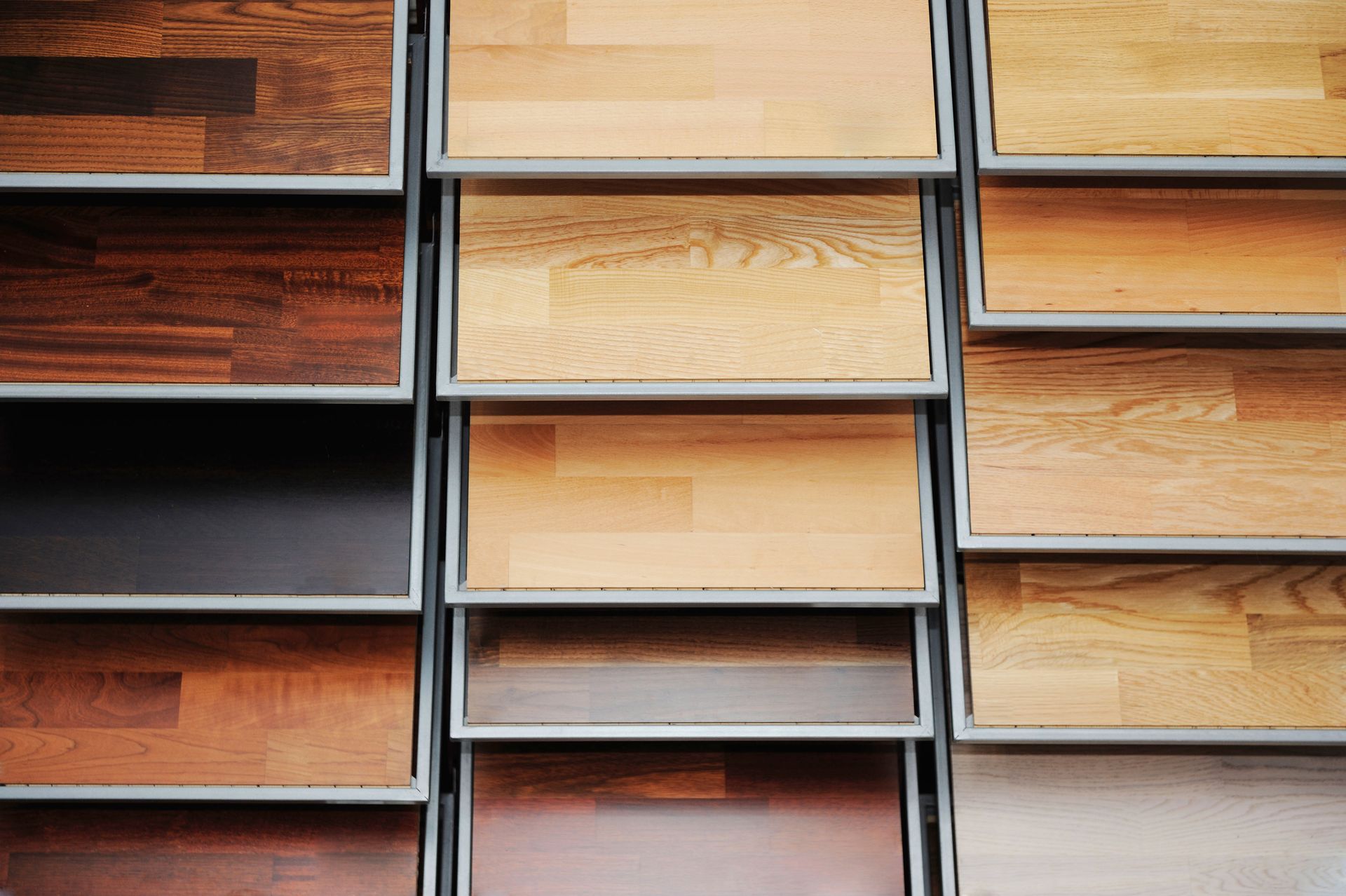
From light natural oak and warm brown tones to rich, darker finishes, there are plenty of options to complement your home's design.


Ultimately, appearance often comes down to personal preference and the specific product you choose.


That's why seeing flooring samples in person can make such a difference.


5. What About Comfort and Noise?


The way flooring feels underfoot is another factor worth considering.


Some LVP products have a slightly softer or more flexible feel, depending on their construction and installation method.


Laminate generally has a firmer feel underfoot, although the underlayment and subfloor can make a significant difference.


Sound performance also varies depending on the flooring product, attached padding, underlayment, and installation.


If you're remodeling an upstairs bedroom, condo, or busy living space, these are important details to discuss before making a final decision.


6. Which Flooring Is More Affordable?


Both laminate and luxury vinyl plank are available at a wide range of price points.


Entry-level products can be budget-friendly, while premium collections with advanced features and realistic finishes may cost more.


It's also important to consider the total project cost, including:

  • Flooring materials
  • Underlayment, if required
  • Subfloor preparation
  • Removal of existing flooring
  • Transitions and trim
  • Professional installation


A less expensive flooring product doesn't always mean a less expensive completed project.


At The Fargo Flooring Store, we can help you compare your options and find flooring that works within your budget.


7. So, Which Flooring Should You Choose?


The answer depends on your home and how you use each space.


Luxury vinyl plank may be a great fit if:

  • You're concerned about everyday moisture and spills.
  • You're updating a kitchen, entryway, or mudroom.
  • You want a wide selection of wood-look flooring.
  • You prefer the feel or construction of a particular LVP product.


Laminate may be a great fit if:

  • Scratch resistance is a major priority.
  • You want realistic wood textures and finishes.
  • You're updating bedrooms, living rooms, or hallways.
  • You find a laminate collection that fits your style and performance needs.


Neither option is automatically better than the other. The right choice comes down to finding the product that fits your home, lifestyle, and budget.


Visit The Fargo Flooring Store and Compare Your Options


One of the best ways to decide between LVP and laminate is to see the products side by side.


At The Fargo Flooring Store, we carry a wide variety of flooring styles and work with trusted manufacturers to help homeowners find products they'll love.

Whether you're updating one room or replacing flooring throughout your entire home, our team can help you explore your options, compare products, and coordinate professional installation.


Stop by our West Fargo showroom or contact us today for a free flooring estimate!


The Fargo Flooring Store
405 Main Ave W, Suite 4G
West Fargo, ND 58078

701-781-0184


Beautiful floors start with the right choices. We're here to help you make them.

carpet flooring install
October 16, 2026
Upgrade your home with The Fargo Flooring Store! Contact us today for a seamless carpet flooring install that delivers lasting comfort and beauty.
October 12, 2026
Living in the Fargo-Moorhead area means experiencing just about every kind of weather imaginable. From snowy winters and muddy springs to hot summers, our floors go through a lot throughout the year. At The Fargo Flooring Store , we understand that choosing new flooring isn't just about finding something beautiful. It's about finding flooring that fits your lifestyle, holds up to everyday wear, and looks great for years to come. So, what flooring options work best for homes in North Dakota? 1. Luxury Vinyl Plank (LVP): A Great All-Around Option Luxury vinyl plank has become a popular flooring choice for homeowners, and for good reason. Many LVP products offer excellent water resistance, durability, and realistic wood-look designs. Waterproof options can be especially useful in entryways, kitchens, mudrooms, and other areas where moisture is a concern. LVP is also available in a wide range of colors and styles, from light natural oak to rich, warm wood tones. Best for: Busy households, pets, kitchens, entryways, and main living areas. 2. Carpet: Comfort During Cold North Dakota Winters There's nothing quite like stepping onto soft carpet during a cold winter morning. Carpet continues to be a great option for bedrooms, family rooms, and other spaces where warmth and comfort are priorities. Today's carpet options include stain-resistant fibers and durable materials designed to handle everyday family life. Best for: Bedrooms, family rooms, basements, and comfortable living spaces. 3. Laminate: Beautiful Wood Looks and Everyday Durability Modern laminate flooring has come a long way. Many products offer realistic wood textures, scratch resistance, and water-resistant features that make them appealing for active households. For homeowners who love the appearance of hardwood but want to explore other price points and performance characteristics, laminate is worth considering. Best for: Living rooms, bedrooms, hallways, and busy households. 4. Don't Forget About Proper Installation Even the best flooring product needs to be installed correctly. Subfloor preparation, moisture considerations, proper transitions, and selecting the right installation method can all affect how your floors perform over time. That's why working with an experienced flooring team can make such a difference. 5. The Best Flooring Depends on Your Home There's no single flooring product that's perfect for every home. A family with three dogs and young children may have very different needs than someone remodeling a quiet primary bedroom. When choosing flooring, consider: How much foot traffic the room receives Whether you have pets or children Exposure to water, snow, and moisture Your preferred style and color Your overall project budget Let Us Help You Find the Right Flooring At The Fargo Flooring Store , we're proud to help homeowners throughout Fargo, West Fargo, Moorhead, and the surrounding communities find flooring that looks beautiful and fits their everyday lives. Whether you're updating one room or replacing flooring throughout your entire home, our team can help you explore your options, select the right products, and coordinate professional installation. Visit our West Fargo showroom or contact us today for a free flooring estimate!  The Fargo Flooring Store 405 Main Ave W, Suite 4G West Fargo, ND 58078 701-781-0184
flooring store
April 13, 2026
Learn what you need to know when shopping for new flooring! Visit our flooring store to find the right investment for your home.
carpet flooring install
February 9, 2026
Professional carpet flooring install enhances comfort, insulation, durability, and design value for long-term home performance and style.
carpet flooring store
December 2, 2025
A carpet flooring store offers guidance, quality materials, and expert installation, helping homeowners choose flooring with confidence.
carpet flooring install
June 30, 2025
Discover three key benefits of a carpet flooring install, including comfort, insulation, and style to enhance the look and feel of your home or office space.
carpet flooring
November 22, 2024
Are you wondering which flooring is best for your home? Read our blog to learn more! If you want carpet flooring, contact our team today.
December 18, 2023
Nylon and polyester are two common materials used in the manufacturing of carpets. Here are the key differences between nylon and polyester carpet: 1. Durability: Nylon: Generally, nylon carpets are more durable and resilient than polyester carpets. Nylon fibers have a higher level of strength and can withstand heavy foot traffic and abrasion over an extended period. Polyester: While polyester carpets are durable, they may not be as resilient as nylon. They are more prone to matting and crushing, particularly in high-traffic areas. 2. Stain Resistance: Nylon: Nylon has good stain resistance, especially when treated with stain-resistant coatings. It is easier to clean and maintain, making it a suitable choice for areas prone to spills and stains. Polyester: Polyester is naturally more stain-resistant than nylon due to its molecular structure. However, it may be more challenging to remove stains once they occur. 3. Price: Nylon: Nylon carpets are generally more expensive than polyester carpets. The higher cost reflects the enhanced durability and performance characteristics of nylon. Polyester: Polyester carpets are more budget-friendly compared to nylon. They provide a cost-effective option for homeowners looking for a more economical flooring solution. 4. Appearance and Feel: Nylon: Nylon carpets often have a luxurious feel and appearance. They can hold vibrant colors and patterns well, providing a visually appealing and soft texture underfoot. Polyester: Polyester carpets are known for their luxurious and soft feel. They also hold color well, providing a wide range of design options. 5. Moisture Resistance: Nylon: Nylon is more resistant to moisture and is less likely to absorb water. This characteristic makes it suitable for areas with high humidity or occasional spills. Polyester: Polyester is inherently more absorbent than nylon, making it susceptible to moisture absorption. It may be less suitable for areas prone to spills or damp conditions. 6. Environmental Impact: Nylon: Nylon is not biodegradable and is derived from petrochemicals. Some manufacturers produce recycled nylon, contributing to sustainability efforts. Polyester: Polyester can be made from recycled materials, such as PET bottles. It is considered more environmentally friendly than nylon in terms of recyclability.  When choosing between nylon and polyester carpet, it's essential to consider factors such as budget, desired performance characteristics, and the specific requirements of the intended space.
December 11, 2023
The choice of flooring for a new house depends on factors such as personal preferences, lifestyle, budget, and the specific needs of each room. Here are some top flooring products commonly chosen for different areas within a new home:  Hardwood Flooring: Best For: Living rooms, dining rooms, bedrooms. Advantages: Timeless and elegant appearance, adds value to the home, durable and can be refinished. Luxury Vinyl Plank (LVP): Best For: Any room, including high-moisture areas like bathrooms and kitchens. Advantages: Affordable, realistic wood look, durable, easy maintenance, and versatile. Porcelain or Ceramic Tile: Best For: Bathrooms, kitchens, entryways, and high-traffic areas. Advantages: Water-resistant, durable, wide range of styles and designs, easy to clean. Carpet: Best For: Bedrooms, family rooms, home offices. Advantages: Soft and comfortable underfoot, wide variety of colors and textures, can provide insulation and noise reduction. Engineered Hardwood: Best For: Basements, areas with fluctuating humidity levels. Advantages: Real wood veneer, more resistant to moisture than solid hardwood, versatile installation options. Laminate Flooring: Best For: Living areas, bedrooms. Advantages: Budget-friendly, durable, easy to install, available in various styles. Bamboo Flooring: Best For: Living rooms, bedrooms. Advantages: Eco-friendly, unique and natural appearance, durable. Concrete Flooring: Best For: Basements, modern or industrial-style interiors. Advantages: Durable, easy to clean, can be polished or stained for a customized look. Natural Stone: Best For: Entryways, kitchens, bathrooms. Advantages: Timeless and luxurious appearance, durable, can add value to the home. Cork Flooring: Best For: Living rooms, bedrooms. Advantages: Renewable and eco-friendly, comfortable underfoot, resistant to mold and mildew. When choosing flooring for your new house, consider factors like durability, maintenance requirements, aesthetics, and how well the flooring material suits the function of each room. It's also beneficial to balance your preferences with practical considerations to ensure a long-lasting and visually appealing result.
December 4, 2023
Engineered hardwood is a flooring material that consists of a thin layer of real hardwood (veneer) adhered to a core of plywood or high-density fiberboard (HDF). Unlike solid hardwood, which is made from a single piece of wood, engineered hardwood is designed to provide greater stability and resistance to moisture-related issues. Here are some key features and considerations to help you determine if engineered hardwood makes sense for your house: Key Features: Structural Stability: Engineered hardwood is more resistant to changes in temperature and humidity compared to solid hardwood. Its layered construction helps minimize expansion and contraction, making it suitable for various environments, including basements and areas with fluctuating moisture levels. Installation Options: Engineered hardwood can be installed in several ways, including floating, glue-down, or nail-down methods. This versatility makes it suitable for different subfloor types and installation preferences. Appearance: The top layer of engineered hardwood is real wood, providing an authentic and natural look. It is available in various wood species, finishes, and styles, offering a wide range of aesthetic options to complement your home's decor. Versatility: Engineered hardwood can be installed on different levels of your home, including basements, as its structure is less prone to warping or buckling in humid conditions. Compatibility with Radiant Heating: Engineered hardwood is often compatible with radiant heating systems, providing an additional level of comfort in your home. Considerations: Cost: While engineered hardwood can be more cost-effective than solid hardwood, high-quality engineered hardwood can still be relatively expensive. However, the cost savings in installation and potential long-term durability may outweigh the initial investment. Refinishing Limitations: The thickness of the hardwood veneer on engineered flooring determines how many times it can be refinished. Thicker veneers allow for more refinishing, but many engineered hardwood floors have a thinner veneer compared to solid hardwood. Moisture Resistance: While engineered hardwood is more resistant to moisture than solid hardwood, it is not entirely immune. Excessive moisture can still lead to damage, so it's important to address spills promptly and maintain a controlled indoor environment. Perception of Value: Some homeowners may place a higher value on solid hardwood due to its traditional perception and the ability to sand and refinish multiple times. However, the improved stability of engineered hardwood can make it a practical choice for many households. Conclusion: Engineered hardwood can be a suitable and practical flooring choice for many homes, especially those in areas with fluctuating humidity levels or in basements. It combines the beauty of real wood with enhanced stability, offering a versatile and durable flooring option. Consider factors such as your budget, lifestyle, and aesthetic preferences when deciding if engineered hardwood makes sense for your house.