8 Ways Your Flooring Installer Ensures a Flawless Finish
A beautiful floor can transform the appearance, comfort, and functionality of any room. However, achieving a flawless finish requires more than selecting an attractive material. Proper measurements, careful subfloor preparation, accurate cutting, and professional installation techniques all contribute to a durable and visually appealing result. Whether homeowners are updating a living room, refreshing a bedroom, or improving an entire property, working with experienced flooring professionals can help prevent common installation problems. A successful carpet flooring install depends on attention to detail at every stage, from the initial assessment to the final inspection. Understanding these steps helps homeowners recognize the value of professional workmanship and make informed decisions about their flooring projects. The Fargo Flooring Store can help property owners explore flooring options and understand the process involved in achieving a polished result.
1. Assessing the Existing Floor
Before installing new flooring, professionals evaluate the condition of the existing surface. This assessment helps identify uneven areas, damaged materials, moisture concerns, and other issues that could interfere with the finished floor. Addressing these concerns early reduces the likelihood of problems developing after installation. An installer also considers the room's layout, doorways, corners, and transitions to determine how the new material should fit. These details are especially important when planning a carpet flooring install in rooms with irregular shapes or multiple adjoining spaces. A thorough inspection allows the installation team to identify potential obstacles before work begins. It also helps establish realistic expectations regarding preparation, materials, and project timing. By evaluating the space carefully, professionals create a practical foundation for a successful installation.
2. Preparing the Subfloor Properly
Subfloor preparation plays an essential role in creating a smooth, stable surface for new flooring. Dust, debris, protruding nails, and loose materials must be addressed before installation can proceed. Depending on the existing conditions, the installer may need to repair damaged sections, fill minor imperfections, or correct uneven areas. Moisture problems also require attention because excess moisture can affect flooring materials and contribute to unpleasant odors or deterioration. During a carpet flooring install, a properly prepared subfloor helps the carpet and padding sit evenly throughout the room. Skipping these preparation steps can lead to visible imperfections, premature wear, and unnecessary repairs. Professional installers understand that the quality of the finished surface depends partly on what lies underneath it. Careful preparation therefore helps support both the appearance and longevity of the new floor.
3. Measuring the Room Accurately
Accurate measurements help determine how much flooring material a project requires and how the pieces should be positioned. Installers measure room dimensions, account for alcoves and closets, and evaluate the placement of doorways and other architectural features. They also consider material characteristics and cutting requirements when calculating quantities. These calculations help reduce waste while ensuring sufficient material is available to complete the job. For a carpet flooring install, precise measurements are particularly important because incorrect calculations can create poorly positioned seams or leave certain areas uncovered. Experienced professionals also plan how the flooring will align with adjacent rooms and existing surfaces. This planning helps produce a consistent appearance throughout connected spaces. Taking time to measure correctly can prevent delays, additional expenses, and avoidable installation complications.
4. Selecting the Appropriate Materials
Choosing suitable flooring materials involves balancing appearance, durability, comfort, and maintenance requirements. Homeowners should consider how each room is used, how much foot traffic it receives, and whether children or pets regularly occupy the space. Carpet styles, pile heights, fiber types, and padding options can all influence the final experience. An installer can explain how these characteristics affect comfort, cleaning requirements, and expected performance. According to Revive, installing new flooring may increase a home's value by approximately 2% to 5% on average. This potential benefit highlights why material selection can be an important consideration during a home improvement project. A carpet flooring install should reflect the household's practical needs rather than appearance alone. Selecting appropriate materials from the beginning helps create a finished floor that complements the space and supports everyday use.
5. Positioning the Carpet Correctly
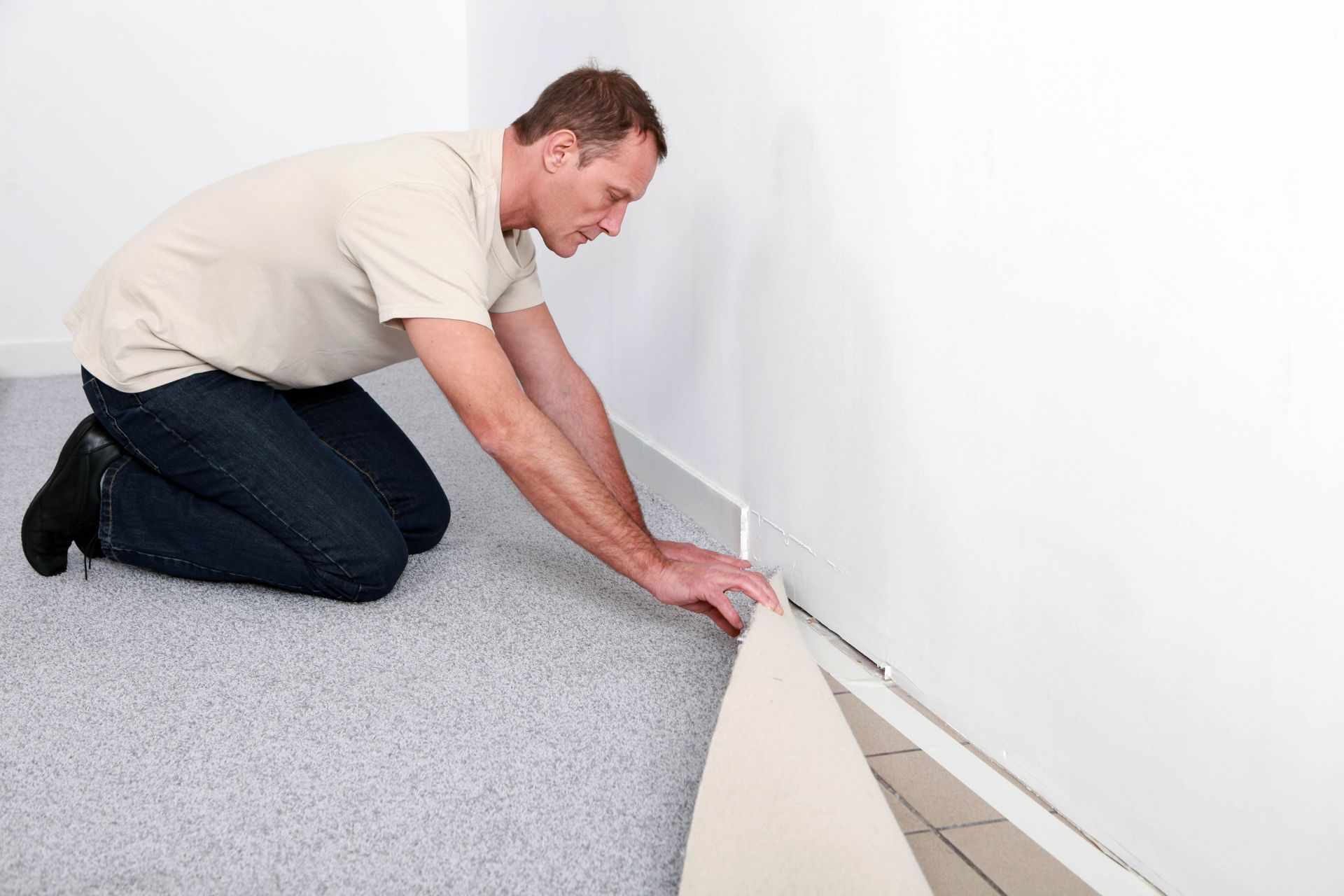
Proper carpet positioning helps establish a uniform appearance across the entire room. Installers consider the direction of the carpet fibers, the placement of seams, and the alignment of the material with walls and other architectural features. Consistent positioning helps the finished surface look intentional rather than uneven or mismatched. Professionals also plan material placement to minimize visible seams whenever possible. During a carpet flooring install, the installer must account for corners, doorways, closets, and other areas where the material requires precise adjustment. Careful positioning helps prevent unnecessary stretching, awkward transitions, and inconsistent patterns. It can also make the completed floor look more cohesive when viewed from different areas of the room. This attention to layout contributes significantly to a clean, professional appearance.
6. Securing the Carpet and Padding
Carpet padding contributes to underfoot comfort, insulation, and support, making its installation an important part of the overall process. Professionals select padding appropriate for the carpet and the intended use of the room. They then position and secure the padding according to the installation requirements, avoiding unnecessary overlaps or gaps. The carpet itself must also be attached correctly to help maintain a stable, even surface. A properly executed carpet flooring install minimizes the likelihood of shifting, bunching, and loose areas during regular use. Installers use suitable tools and techniques to achieve the appropriate tension without damaging the material. Correctly securing the carpet also helps it maintain its intended shape over time. By paying attention to both padding and carpet attachment, professionals support a comfortable and durable finished floor.
7. Trimming Edges and Finishing Seams
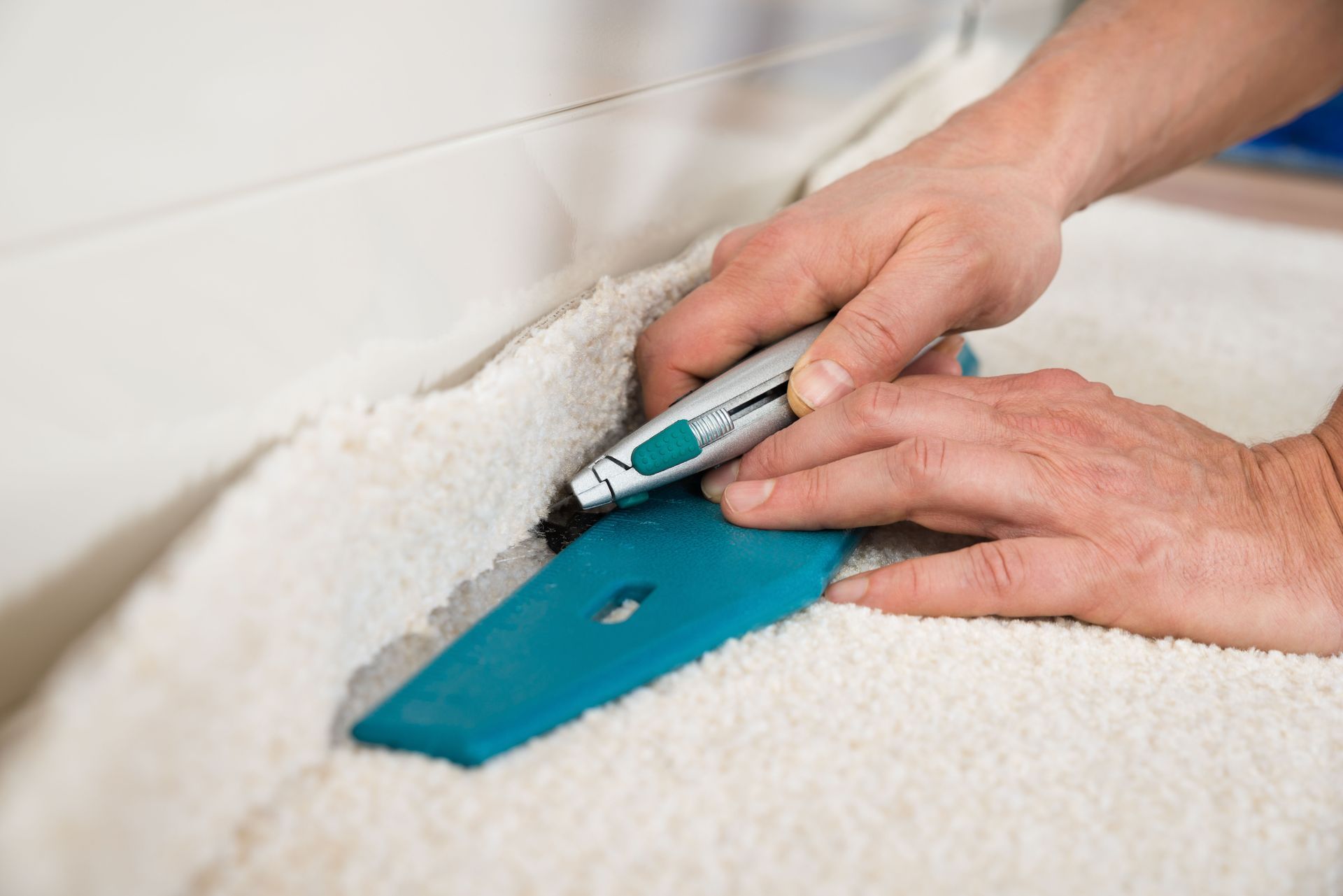
Precise trimming and seam finishing help distinguish professional installation from work that appears incomplete. Carpet must fit closely against walls, around door frames, and along other fixed features without leaving exposed gaps or excessive material. Installers use appropriate cutting tools to create clean edges while protecting surrounding surfaces. When seams are necessary, they align the material carefully to help create a consistent appearance. During a carpet flooring install, poor seam placement or rough trimming can make even high-quality carpet look unattractive. Professionals also pay attention to transitions between different flooring materials to help prevent uneven edges and tripping hazards. These finishing details improve the visual continuity of the room. Careful workmanship at the edges and seams helps the entire floor look neat, complete, and professionally installed.
8. Inspecting the Completed Installation
A final inspection allows the installer to confirm that the work meets the project's requirements. Professionals examine the carpet for visible wrinkles, loose sections, uneven edges, and inconsistencies around seams. They also check transitions, door clearances, and other areas where installation issues might affect everyday use. Any identified concerns should be addressed before the project is considered complete. After a carpet flooring install, homeowners can benefit from reviewing the finished surface with the installation team and asking questions about cleaning and maintenance. Following the manufacturer's care recommendations can help preserve the carpet's appearance and performance. Installers may also explain any relevant product instructions or maintenance considerations. This final review provides an opportunity to confirm the quality of the work and understand how to care for the new flooring.
A flawless floor begins with careful planning and continues through every stage of preparation, installation, and finishing. Accurate measurements, appropriate materials, secure placement, and detailed inspections all contribute to a polished result that homeowners can enjoy for years. Professional workmanship also helps reduce avoidable mistakes that may affect the appearance or performance of new flooring. Choosing the right flooring team makes it easier to navigate material options and understand the steps needed for a successful project. Whether you are renovating one room or updating several areas of your home, the installation process deserves careful attention. The Fargo Flooring Store can help you explore flooring choices that suit your space, style, and everyday needs. Contact us today to discuss your flooring project and take the next step toward a beautiful, professionally finished floor.