6 Smart Reasons to Choose a Local Flooring Store

August 12, 2026

When it comes time to upgrade the interior of your home, finding the right materials can feel overwhelming. Many homeowners spend hours scrolling through online retailers, trying to guess what a specific color or texture will look like in their living room. However, there is a much better way to approach your upcoming renovation. Deciding to visit a local flooring store offers a multitude of benefits that big-box chains simply cannot match. From personalized guidance to professional flooring installation, keeping your business within your community ensures a smoother, more enjoyable experience. According to Consumer Affairs, the flooring industry workforce is projected to expand marginally, reaching around 124,400 workers by 2032. This steady growth means there will continue to be dedicated professionals ready to assist you. If you are wondering why you should skip the giant chains, read on to discover six smart reasons to choose a local flooring store for your next home improvement project.


1. Receive Personalized Customer Service and Care


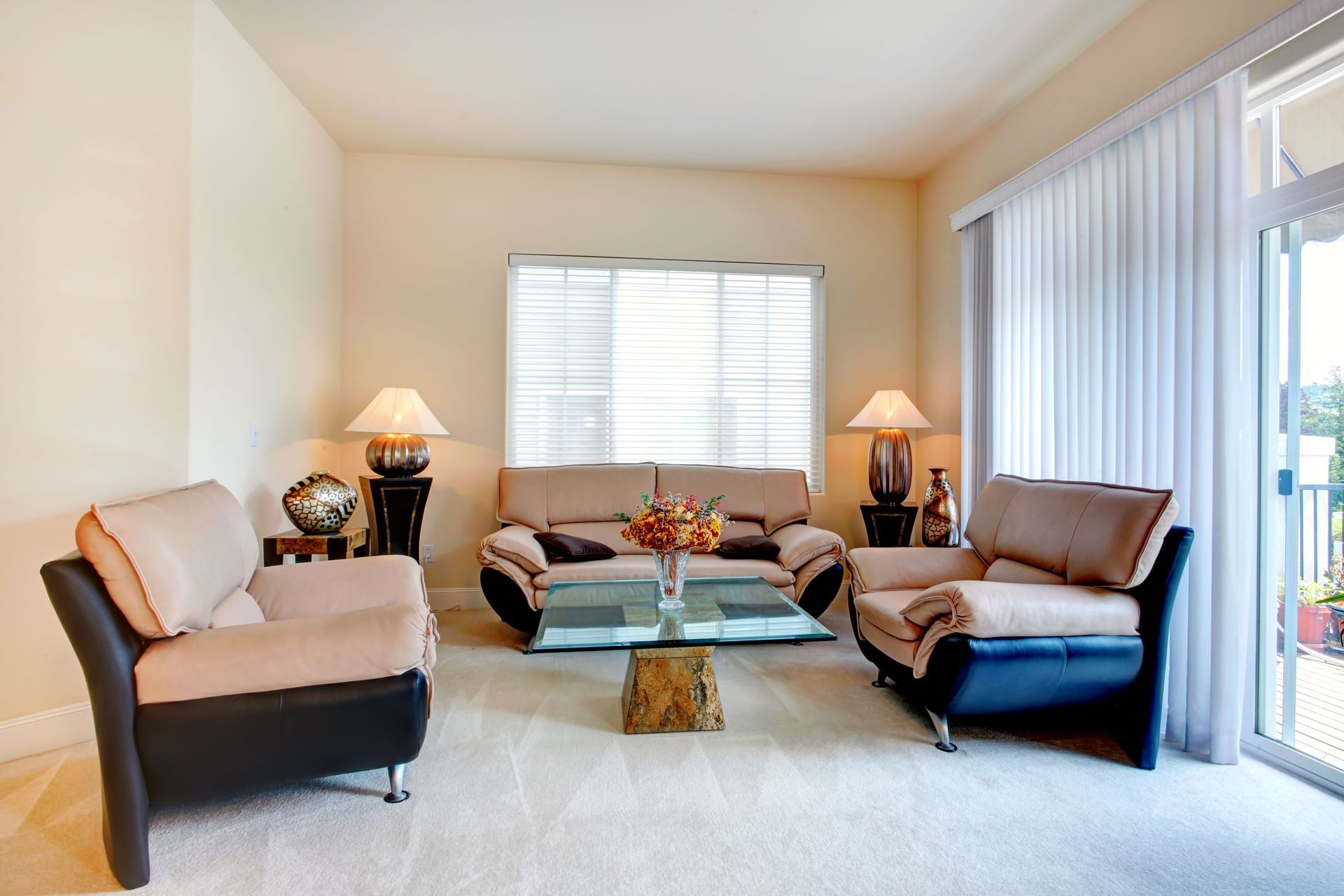
One of the most significant advantages of shopping at a local flooring store is the unmatched level of customer service you will experience. Unlike massive home improvement warehouses where finding a knowledgeable employee is difficult, a neighborhood shop provides dedicated attention immediately. The professionals working there take the time to understand your specific needs, daily routines, and design preferences. If you are remodeling a bathroom, they can explain the moisture-resistant benefits of luxury vinyl plank. If you want to add comfort to a living area, they can help you pick the perfect carpet. Furthermore, the staff understands the unique lifestyle factors of your area, allowing them to recommend materials that will perform best in your specific home. This collaborative approach ensures you never feel pressured into making a hasty decision. Instead, you get to have meaningful conversations about how each material holds up to heavy foot traffic, pets, and general wear.


2. Explore High-Quality Flooring Materials in Person


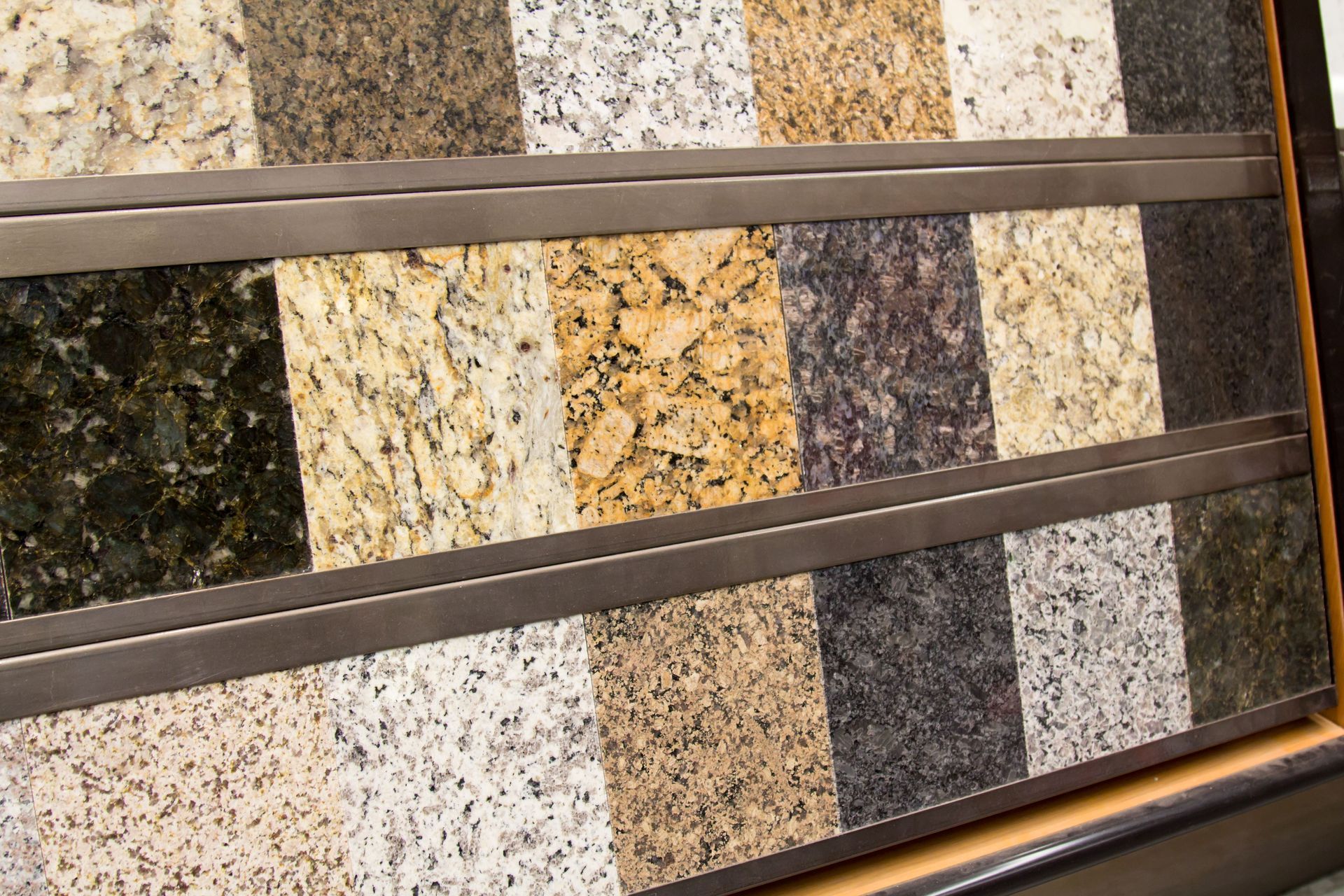
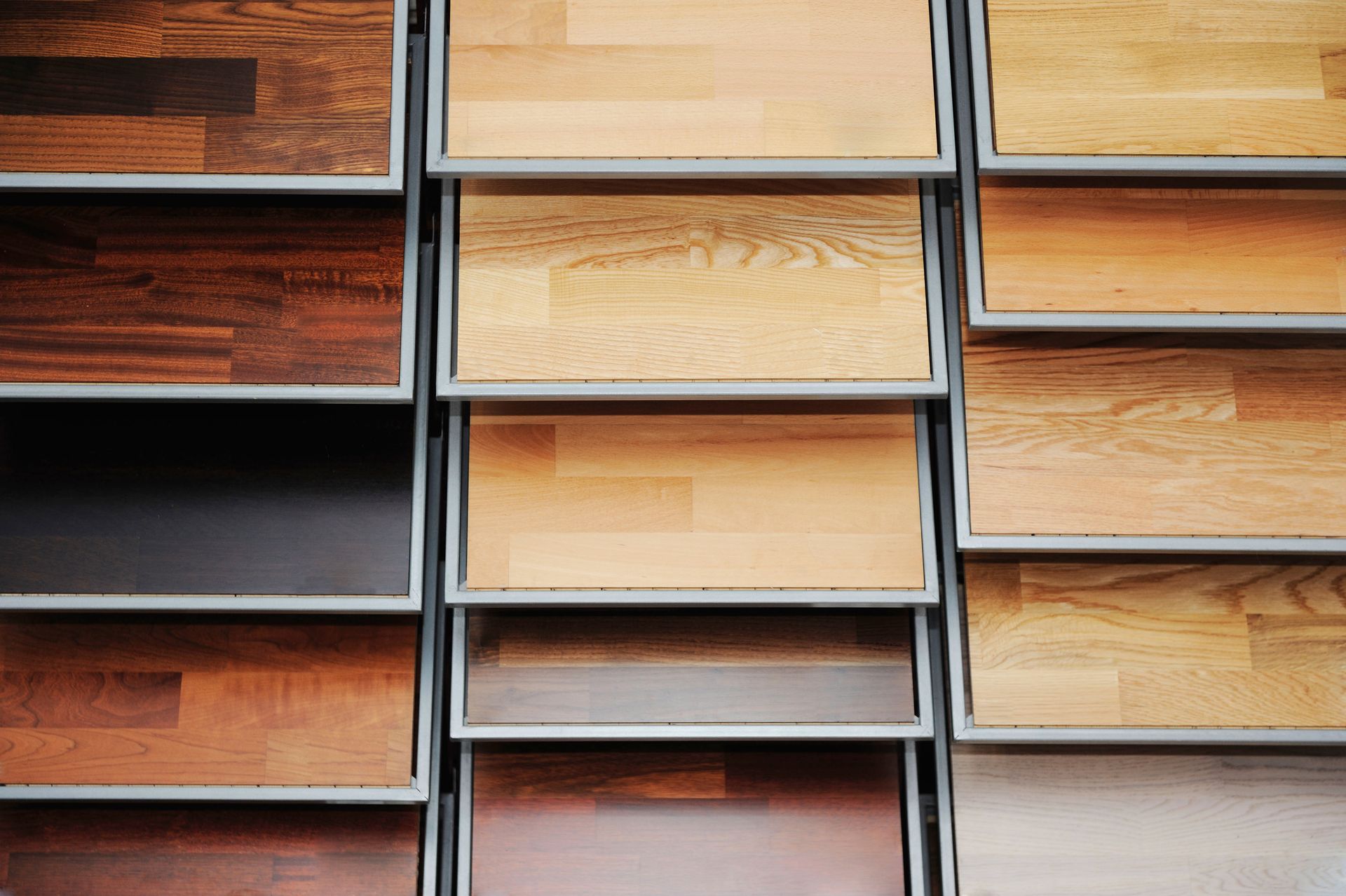
Shopping for home upgrades on a computer screen often leads to disappointment. Colors can look drastically different depending on your monitor's brightness settings, and you lose the ability to feel the actual texture. When you visit a local flooring store, you have the opportunity to see, touch, and evaluate every product in person. This tactile experience is incredibly important when choosing products for your home. You can run your hands over carpet fibers to check for comfort, or examine the finish of tile samples to ensure they match your aesthetic vision. You can even explore options for beautiful backsplashes and custom showers. Additionally, an independent retailer typically carries a curated inventory of top-tier products, meaning you do not have to sift through low-quality options. Seeing the exact shades and dimensions in the showroom's lighting gives you the absolute confidence to make a final choice without worrying about any surprise variations upon delivery.


3. Enjoy Expert Flooring Installation for Your Home


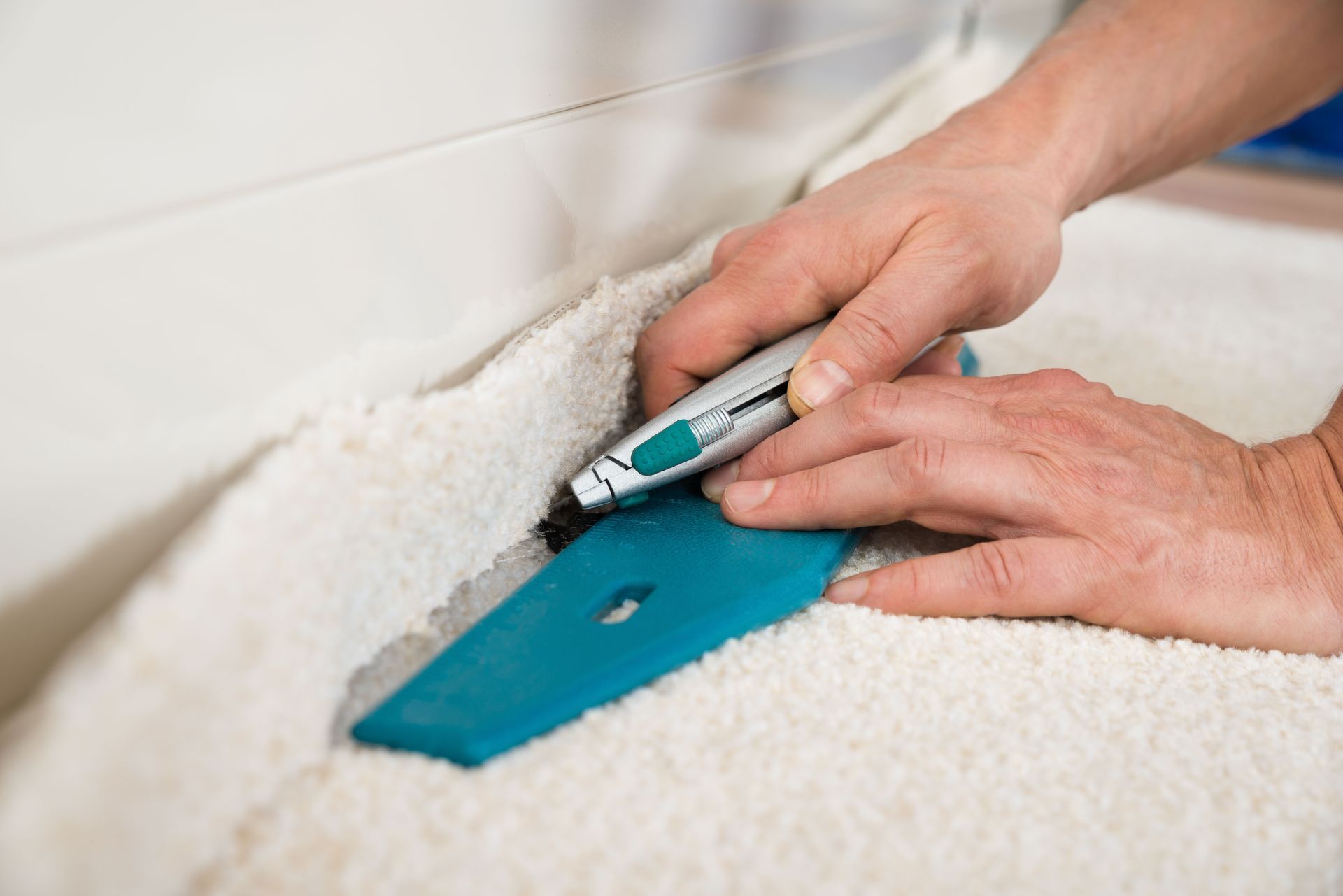
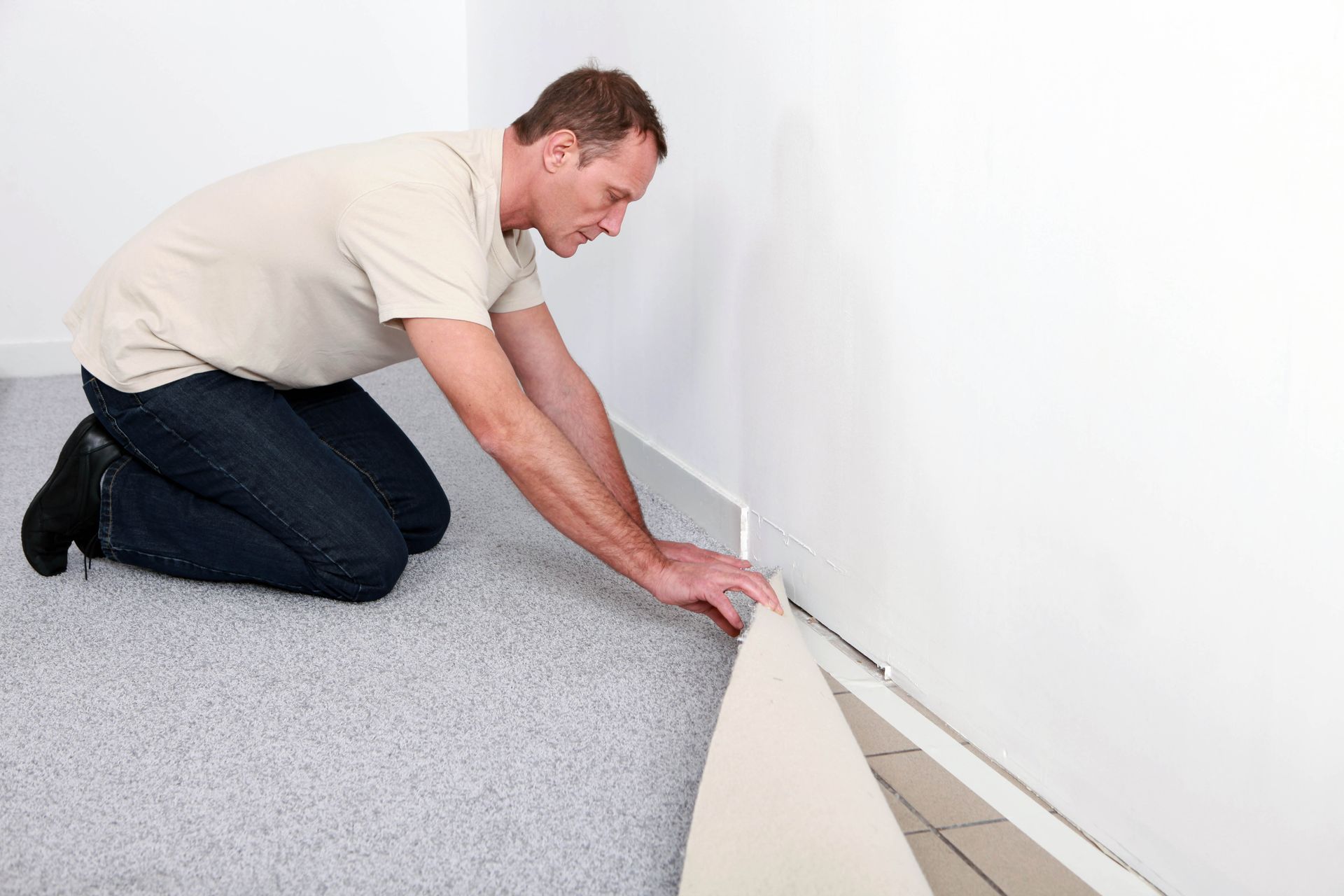
Finding the right material is only half the battle; ensuring it is put in correctly is equally crucial. Large chain retailers often outsource their labor to third-party contractors, which can lead to communication breakdowns and inconsistent craftsmanship. By contrast, a community-based business typically provides its own dedicated flooring installation team. These installers are highly experienced and familiar with the specific products sold in the shop, whether they are laying down luxury vinyl plank in a kitchen or applying durable epoxy coatings to a garage. Their turnkey service means they handle everything from removing the old materials and prepping the subfloor to the final finishing details. Because their reputation relies heavily on word-of-mouth recommendations, these professionals take immense pride in their work. This seamless transition from purchasing to installation removes a massive amount of stress, allowing you to simply sit back and watch your interior space completely transform.


4. Benefit From Accurate Measurements and Free Estimates


Budgeting for a renovation project can be tricky, especially when hidden fees and unexpected material costs pop up at the last minute. When buying online or from a big box outlet, you are often left to measure your own rooms, which can result in ordering the wrong amount of material. However, working with a local flooring store allows you to get precise, professional measurements right from the start. A knowledgeable representative will visit your property to evaluate the layout and take exact dimensions. From there, they will provide comprehensive free estimates that break down the entire cost of the project. You will know exactly what you are paying for, including the materials, prep work, and labor, without any frustrating surprises down the line. This transparent pricing model helps you stick to your budget and gives you peace of mind, completely eliminating the guesswork associated with major home upgrades.


5. Keep Your Investment Protected With Reliable Warranties


Upgrading your home is a significant financial commitment, and you want to ensure your brand-new surfaces look pristine for as long as possible. Navigating warranties through a massive corporation can involve endless phone calls and complicated paperwork. On the other hand, purchasing from a local flooring store usually means you get straightforward, accessible warranty options. If an issue arises with your new carpet or tile down the road, you know exactly who to call. The staff will gladly advocate for you and assist with any manufacturer defect claims. Because community shops value long-term relationships over quick sales, they are always willing to answer your follow-up questions regarding maintenance and proper cleaning routines. They will tell you exactly how to preserve the longevity of your epoxy coatings or how to properly mop your luxury vinyl plank, guaranteeing that your property remains a beautiful, functional space for decades to come.


6. Support Your Community and Local Economy


Beyond the direct benefits to your home, there is a broader economic impact to consider when making your purchasing decisions. When spending your hard-earned money at a small business, a significant portion of those funds stays within your community. This revenue helps create jobs for residents, supports local infrastructure, and contributes to neighborhood initiatives. Additionally, supporting your local flooring store helps stimulate regional economic growth, keeping the vibrant character of your town alive. Small businesses are the backbone of the economy, and they thrive on loyal patronage. By opting for a neighborhood shop instead of a faceless national chain, you are actively participating in the prosperity of your own hometown. Fostering these connections creates a stronger, more supportive environment for everyone, proving that your renovation project can have a positive impact that reaches far beyond the four walls of your own home.


Embarking on a remodeling journey does not have to be a stressful or isolating endeavor. From gaining access to top-notch products like custom tile and premium carpet, to enjoying the convenience of professional flooring installation, the advantages are remarkably clear. Taking the time to browse materials in person, secure accurate free estimates, and lean on the expertise of seasoned professionals will guarantee a beautiful result. You avoid the pitfalls of inaccurate online coloring and the headache of dealing with outsourced, unreliable contractors. The myriad benefits of a local flooring store cannot be overstated, providing a seamless, enjoyable experience that leaves you with breathtaking results. When you are ready to enhance your living space, make the intelligent choice and partner with a team that genuinely cares about your complete satisfaction. Whether you need an elegant backsplash or a durable surface, we have you covered. To begin your upcoming renovation, reach out to The Fargo Flooring Store today!
August 17, 2026
High-quality carpet and flooring upgrades enhance home value, improve energy efficiency, dampen indoor noise, and elevate overall living comfort.
flooring store
April 13, 2026
Learn what you need to know when shopping for new flooring! Visit our flooring store to find the right investment for your home.
carpet flooring install
February 9, 2026
Professional carpet flooring install enhances comfort, insulation, durability, and design value for long-term home performance and style.
carpet flooring store
December 2, 2025
A carpet flooring store offers guidance, quality materials, and expert installation, helping homeowners choose flooring with confidence.
local flooring store
October 14, 2025
Are you considering new flooring? To learn why you should consider a local flooring store, read on or contact The Fargo Flooring Store today!
carpet flooring install
June 30, 2025
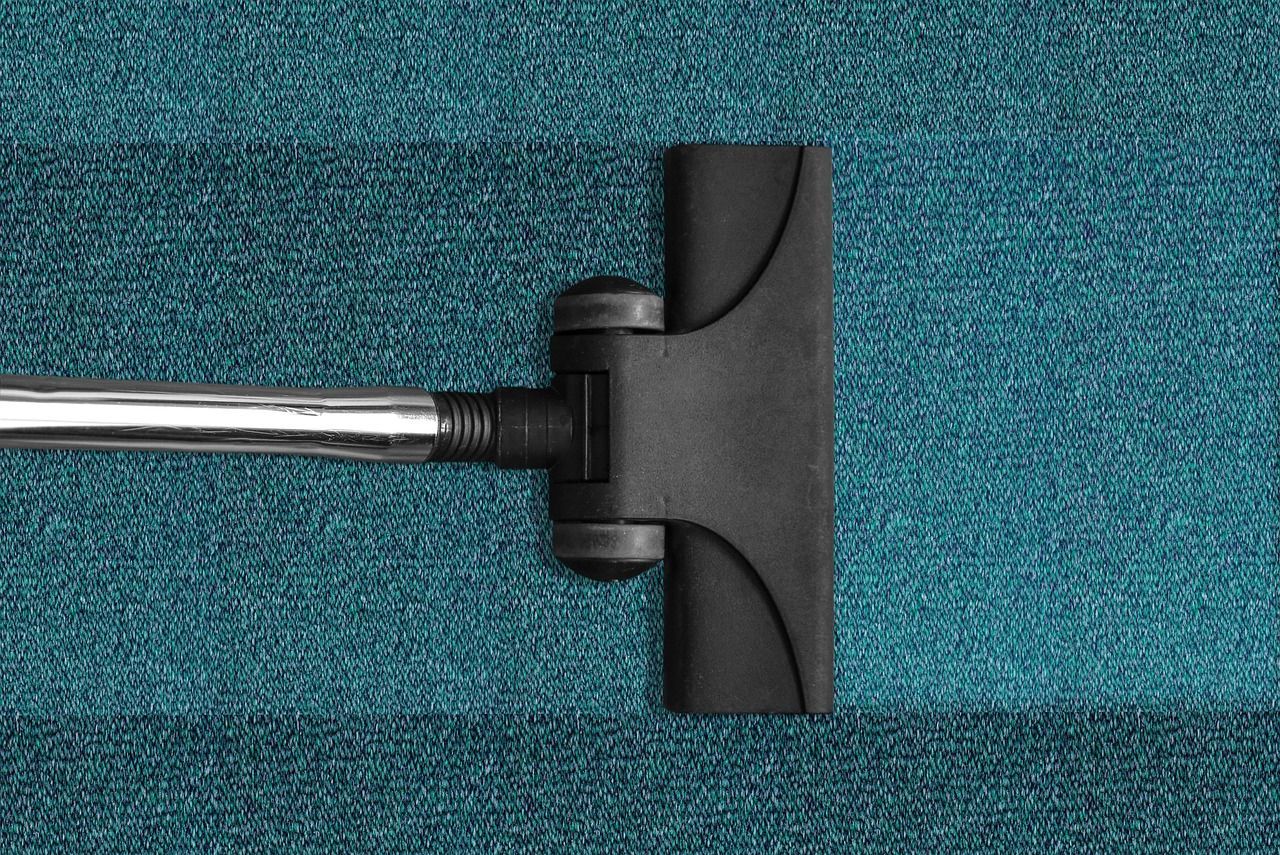
Discover three key benefits of a carpet flooring install, including comfort, insulation, and style to enhance the look and feel of your home or office space.
carpet flooring
November 22, 2024
Are you wondering which flooring is best for your home? Read our blog to learn more! If you want carpet flooring, contact our team today.
December 18, 2023
Nylon and polyester are two common materials used in the manufacturing of carpets. Here are the key differences between nylon and polyester carpet: 1. Durability: Nylon: Generally, nylon carpets are more durable and resilient than polyester carpets. Nylon fibers have a higher level of strength and can withstand heavy foot traffic and abrasion over an extended period. Polyester: While polyester carpets are durable, they may not be as resilient as nylon. They are more prone to matting and crushing, particularly in high-traffic areas. 2. Stain Resistance: Nylon: Nylon has good stain resistance, especially when treated with stain-resistant coatings. It is easier to clean and maintain, making it a suitable choice for areas prone to spills and stains. Polyester: Polyester is naturally more stain-resistant than nylon due to its molecular structure. However, it may be more challenging to remove stains once they occur. 3. Price: Nylon: Nylon carpets are generally more expensive than polyester carpets. The higher cost reflects the enhanced durability and performance characteristics of nylon. Polyester: Polyester carpets are more budget-friendly compared to nylon. They provide a cost-effective option for homeowners looking for a more economical flooring solution. 4. Appearance and Feel: Nylon: Nylon carpets often have a luxurious feel and appearance. They can hold vibrant colors and patterns well, providing a visually appealing and soft texture underfoot. Polyester: Polyester carpets are known for their luxurious and soft feel. They also hold color well, providing a wide range of design options. 5. Moisture Resistance: Nylon: Nylon is more resistant to moisture and is less likely to absorb water. This characteristic makes it suitable for areas with high humidity or occasional spills. Polyester: Polyester is inherently more absorbent than nylon, making it susceptible to moisture absorption. It may be less suitable for areas prone to spills or damp conditions. 6. Environmental Impact: Nylon: Nylon is not biodegradable and is derived from petrochemicals. Some manufacturers produce recycled nylon, contributing to sustainability efforts. Polyester: Polyester can be made from recycled materials, such as PET bottles. It is considered more environmentally friendly than nylon in terms of recyclability.  When choosing between nylon and polyester carpet, it's essential to consider factors such as budget, desired performance characteristics, and the specific requirements of the intended space.
December 11, 2023
The choice of flooring for a new house depends on factors such as personal preferences, lifestyle, budget, and the specific needs of each room. Here are some top flooring products commonly chosen for different areas within a new home:  Hardwood Flooring: Best For: Living rooms, dining rooms, bedrooms. Advantages: Timeless and elegant appearance, adds value to the home, durable and can be refinished. Luxury Vinyl Plank (LVP): Best For: Any room, including high-moisture areas like bathrooms and kitchens. Advantages: Affordable, realistic wood look, durable, easy maintenance, and versatile. Porcelain or Ceramic Tile: Best For: Bathrooms, kitchens, entryways, and high-traffic areas. Advantages: Water-resistant, durable, wide range of styles and designs, easy to clean. Carpet: Best For: Bedrooms, family rooms, home offices. Advantages: Soft and comfortable underfoot, wide variety of colors and textures, can provide insulation and noise reduction. Engineered Hardwood: Best For: Basements, areas with fluctuating humidity levels. Advantages: Real wood veneer, more resistant to moisture than solid hardwood, versatile installation options. Laminate Flooring: Best For: Living areas, bedrooms. Advantages: Budget-friendly, durable, easy to install, available in various styles. Bamboo Flooring: Best For: Living rooms, bedrooms. Advantages: Eco-friendly, unique and natural appearance, durable. Concrete Flooring: Best For: Basements, modern or industrial-style interiors. Advantages: Durable, easy to clean, can be polished or stained for a customized look. Natural Stone: Best For: Entryways, kitchens, bathrooms. Advantages: Timeless and luxurious appearance, durable, can add value to the home. Cork Flooring: Best For: Living rooms, bedrooms. Advantages: Renewable and eco-friendly, comfortable underfoot, resistant to mold and mildew. When choosing flooring for your new house, consider factors like durability, maintenance requirements, aesthetics, and how well the flooring material suits the function of each room. It's also beneficial to balance your preferences with practical considerations to ensure a long-lasting and visually appealing result.
December 4, 2023
Engineered hardwood is a flooring material that consists of a thin layer of real hardwood (veneer) adhered to a core of plywood or high-density fiberboard (HDF). Unlike solid hardwood, which is made from a single piece of wood, engineered hardwood is designed to provide greater stability and resistance to moisture-related issues. Here are some key features and considerations to help you determine if engineered hardwood makes sense for your house: Key Features: Structural Stability: Engineered hardwood is more resistant to changes in temperature and humidity compared to solid hardwood. Its layered construction helps minimize expansion and contraction, making it suitable for various environments, including basements and areas with fluctuating moisture levels. Installation Options: Engineered hardwood can be installed in several ways, including floating, glue-down, or nail-down methods. This versatility makes it suitable for different subfloor types and installation preferences. Appearance: The top layer of engineered hardwood is real wood, providing an authentic and natural look. It is available in various wood species, finishes, and styles, offering a wide range of aesthetic options to complement your home's decor. Versatility: Engineered hardwood can be installed on different levels of your home, including basements, as its structure is less prone to warping or buckling in humid conditions. Compatibility with Radiant Heating: Engineered hardwood is often compatible with radiant heating systems, providing an additional level of comfort in your home. Considerations: Cost: While engineered hardwood can be more cost-effective than solid hardwood, high-quality engineered hardwood can still be relatively expensive. However, the cost savings in installation and potential long-term durability may outweigh the initial investment. Refinishing Limitations: The thickness of the hardwood veneer on engineered flooring determines how many times it can be refinished. Thicker veneers allow for more refinishing, but many engineered hardwood floors have a thinner veneer compared to solid hardwood. Moisture Resistance: While engineered hardwood is more resistant to moisture than solid hardwood, it is not entirely immune. Excessive moisture can still lead to damage, so it's important to address spills promptly and maintain a controlled indoor environment. Perception of Value: Some homeowners may place a higher value on solid hardwood due to its traditional perception and the ability to sand and refinish multiple times. However, the improved stability of engineered hardwood can make it a practical choice for many households. Conclusion: Engineered hardwood can be a suitable and practical flooring choice for many homes, especially those in areas with fluctuating humidity levels or in basements. It combines the beauty of real wood with enhanced stability, offering a versatile and durable flooring option. Consider factors such as your budget, lifestyle, and aesthetic preferences when deciding if engineered hardwood makes sense for your house.