6 Ways Carpet and Flooring Boost Home Value
When evaluating home improvement projects that deliver a high return on investment, upgrading your carpet and flooring is frequently overlooked in favor of kitchen remodels or bathroom upgrades. However, the surface underfoot plays a massive role in shaping a buyer's immediate impression of a property. Updating worn surfaces with modern materials dramatically enhances visual appeal, elevates comfort, and improves daily functionality. Fresh surfaces signal to prospective buyers that a home has been well-maintained, eliminating the immediate stress and expense of post-purchase renovations. According to real estate valuation studies published by Revive, new flooring can increase the value of your home by 2% to 5% on average. By selecting the right mix of materials, homeowners can maximize market value while enjoying a safer, quieter, and more energy-efficient living environment.
1. Enhancing Aesthetic Appeal and Interior Design
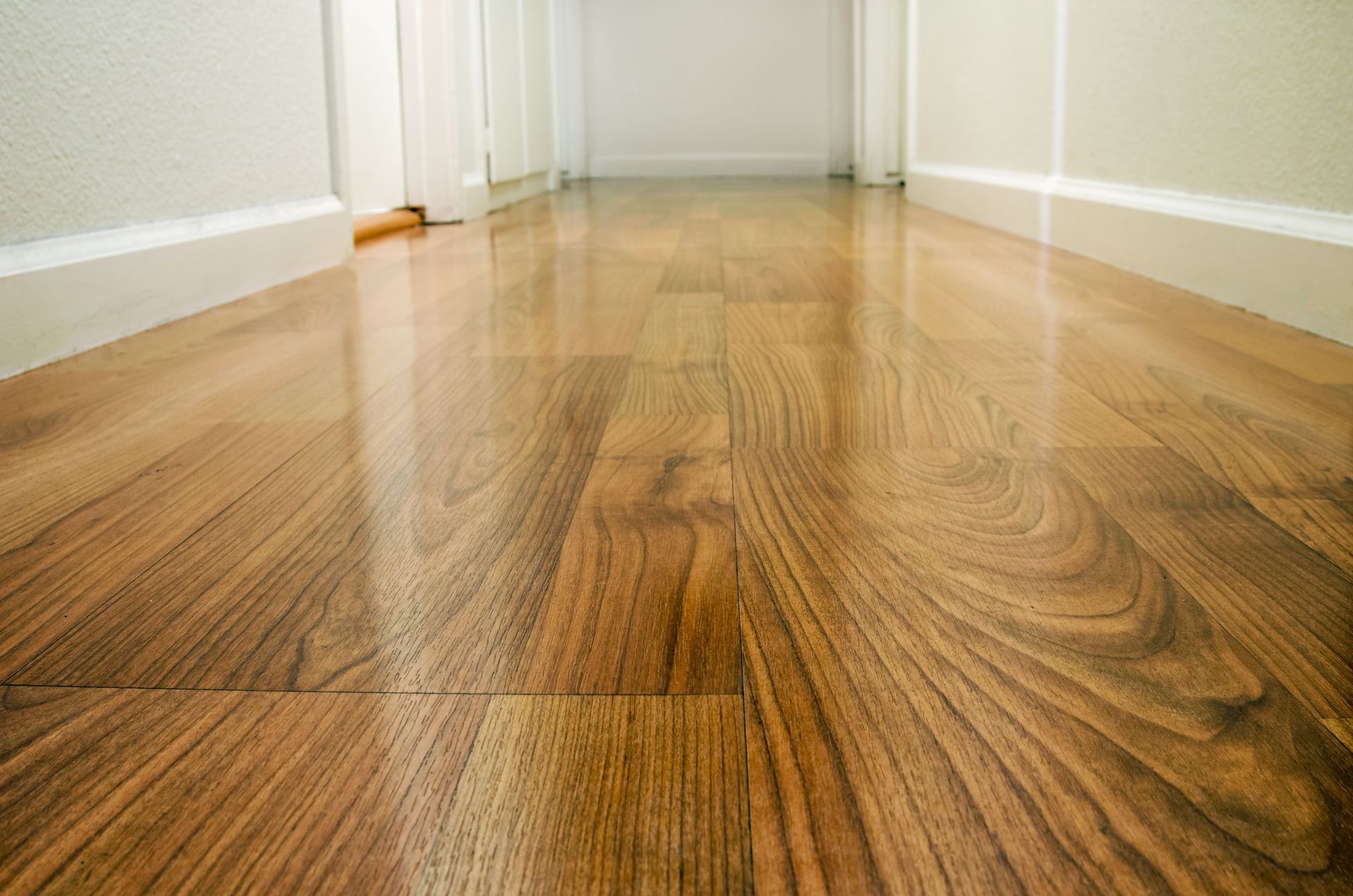
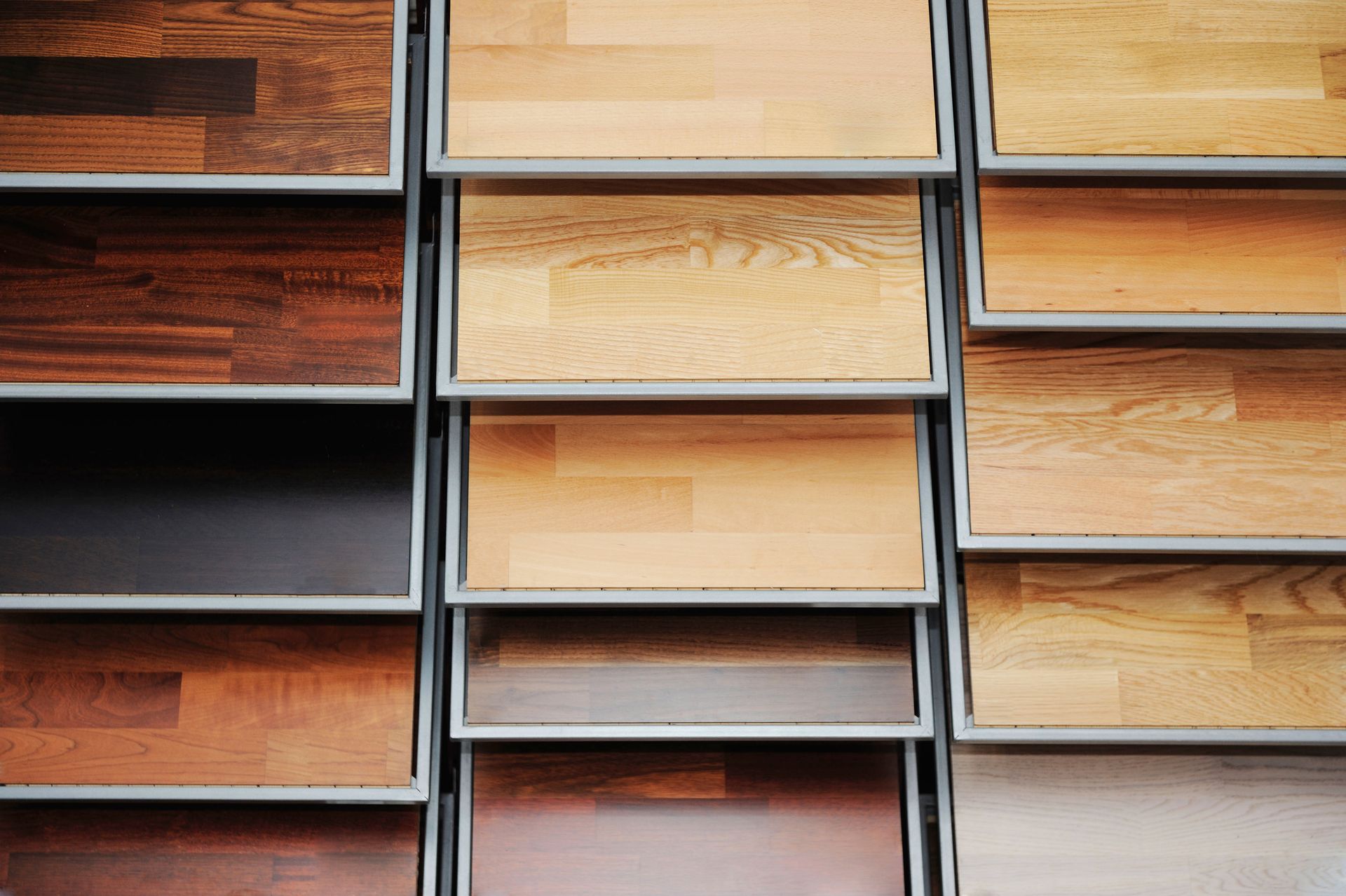
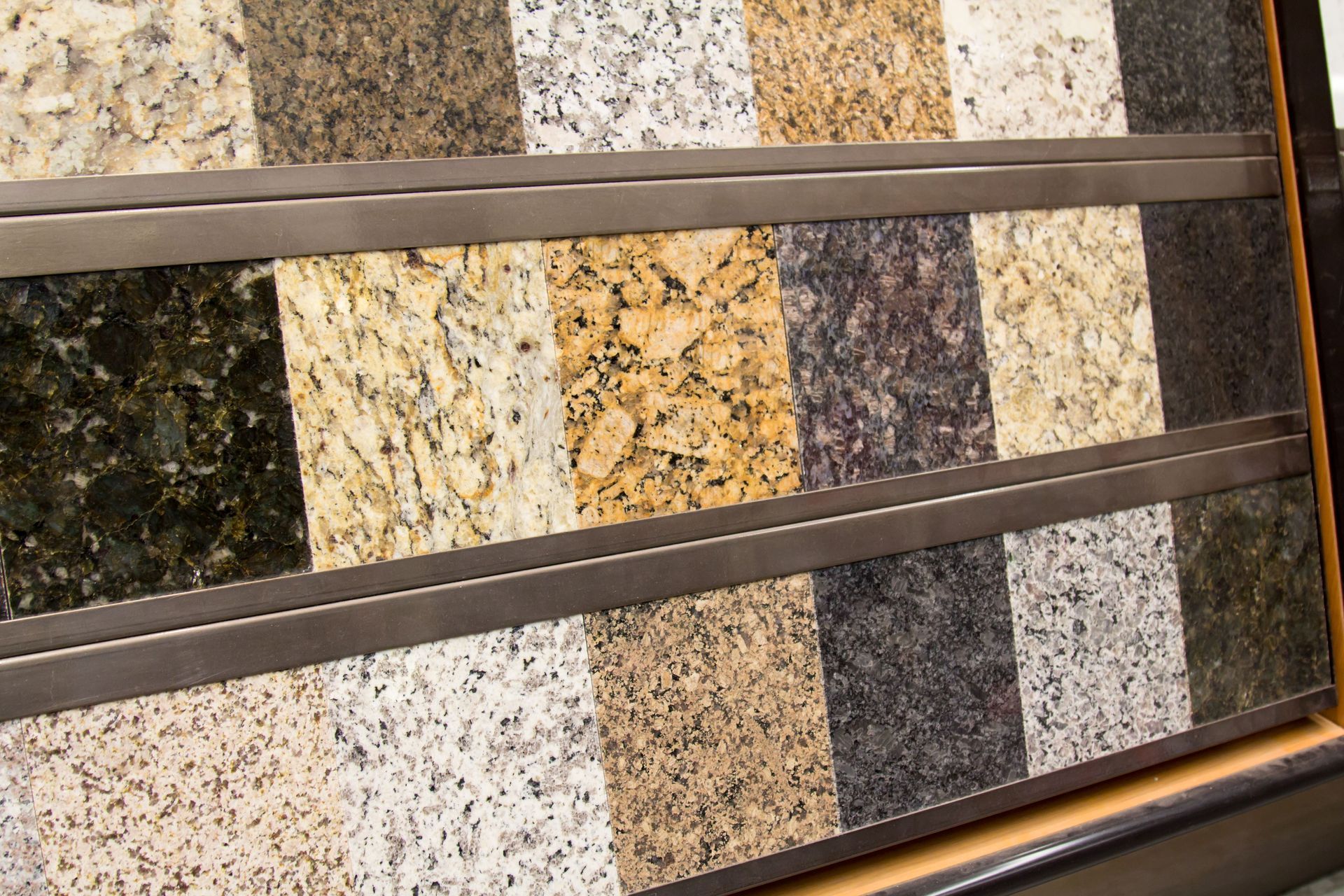
The visual impact of new surfaces is the most immediate factor influencing a property's market value. Contemporary design trends favor clean lines, light tones, and continuous surfaces that create a seamless flow throughout the living space. Replacing mismatched, outdated surfaces with uniform luxury vinyl planks or wide-plank hardwood modernizes the interior instantly. Premium materials like solid oak, natural stone, or high-end patterned tile evoke a sense of luxury and timeless craftsmanship. Buyers naturally associate high-grade carpet and flooring choices with superior overall building quality, making them far more willing to submit competitive offers above asking price.
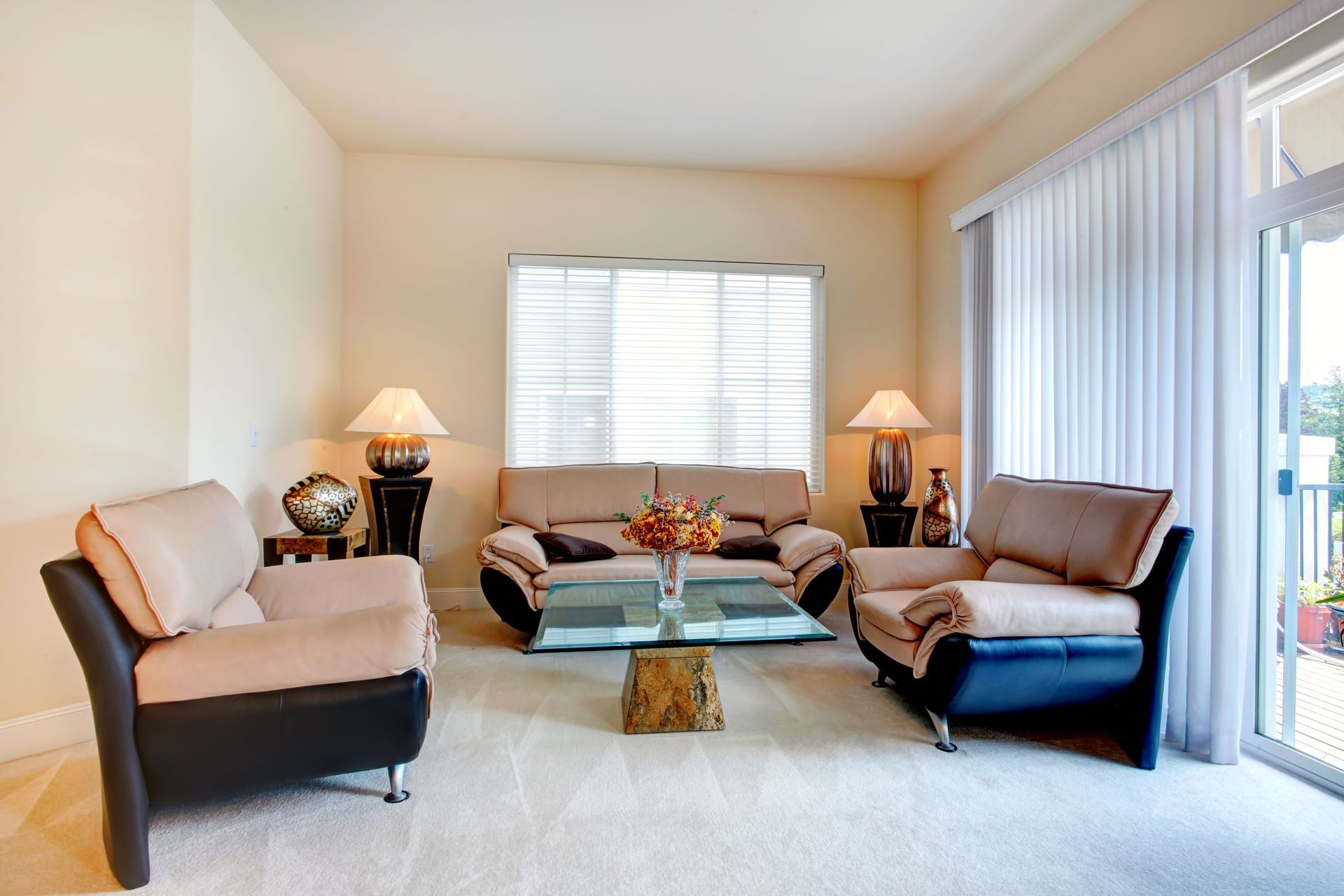
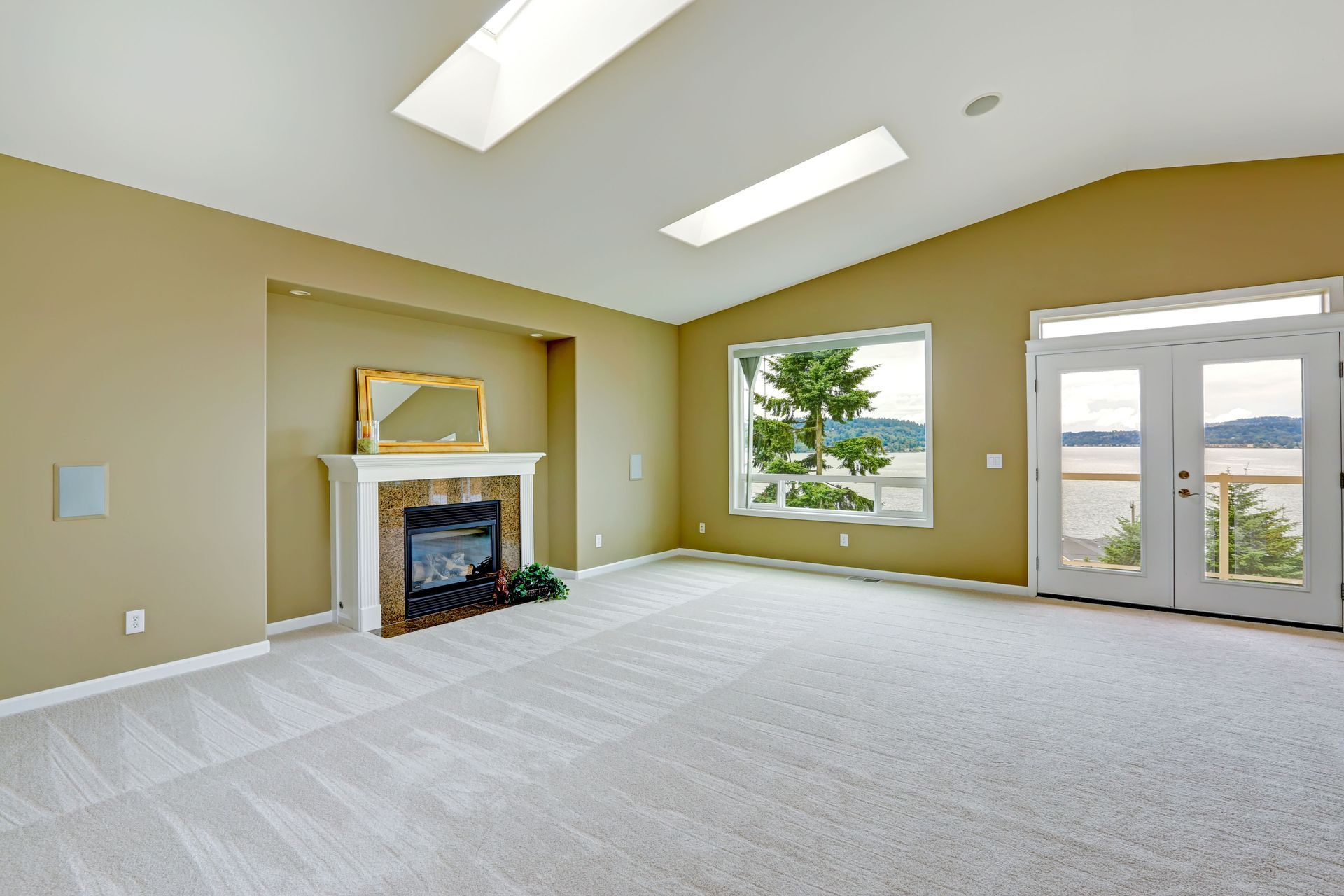
Strategic material selection also alters the spatial perception of individual rooms. Light-colored hardwood or plush neutral carpets reflect natural sunlight, making compact bedrooms and dark hallways feel significantly larger and brighter. Furthermore, continuous flooring across open-concept layouts eliminates visual clutter, unifying living, dining, and kitchen zones into one cohesive space. Choosing custom patterns, such as herringbone tile or textured wool broadloom, adds sophisticated architectural interest that sets a listing apart from standard tract homes. When interior surfaces complement the home's architectural style, the entire property feels polished, intentional, and move-in ready.
2. Improving Energy Efficiency and Thermal Comfort
Beyond pure aesthetics, high-performance interior surfaces contribute directly to household energy efficiency and indoor thermal management. Modern carpet and flooring act as crucial insulating layers over concrete slabs and subfloors, preventing conductive heat loss during cold winter months. Quality broadloom paired with dense underlayment traps radiant heat within living spaces, reducing the operational workload on central heating systems. In colder climates, this extra thermal barrier significantly lowers monthly utility bills, creating a compelling selling point for energy-conscious buyers searching for sustainable home features.
Hard surfaces also offer sophisticated climate control advantages when paired with modern radiant heating systems. Materials like ceramic tile, natural stone, and specialized engineered wood conduct thermal energy efficiently, distributing steady, comfortable heat directly underfoot without wasting energy heating air masses. In warmer coastal regions, hard surfaces like polished concrete or porcelain tile naturally remain cool to the touch, reducing cooling demands during peak summer months. By installing climate-appropriate broadloom and resilient surfaces, homeowners optimize internal temperature regulation, lower energy expenses, and boost overall property desirability.
3. Increasing Durability and Long-Term Longevity
Investing in durable, wear-resistant materials ensures that a home maintains its structural integrity and visual charm under heavy daily foot traffic. High-traffic zones—such as mudrooms, entryways, and family rooms—require resilient surfaces that resist scratching, denting, and moisture damage. Selecting the right carpet and flooring for these heavy-use spaces guarantees longevity, as luxury vinyl tile, glazed ceramic, and dense engineered hardwood stand up exceptionally well to active households, pets, and children. Choosing low-maintenance options that resist staining and surface degradation protects the underlying subfloor while saving homeowners thousands of dollars in premature replacement and repair costs over time.
Advances in manufacturing technology have also vastly extended the service life of eco-friendly, renewable surfaces. Sustainable choices like bamboo and harvested cork are now factory-treated with commercial-grade protective finishes, allowing them to match the durability of traditional hardwoods. These resilient materials absorb heavy impacts and resist moisture while appealing strongly to environmentally conscious buyers. Demonstrating that a property features long-lasting, scuff-resistant surfaces provides prospective buyers with financial peace of mind, knowing they will not need to allocate emergency funds for surface repairs after moving in.
4. Enhancing Acoustic Performance and Noise Reduction
Acoustic management is a frequently neglected aspect of residential comfort that directly impacts a property's perceived quality. Excess ambient noise, echoing footsteps, and sound transmission between building levels can make a house feel loud and uninviting. Installing plush broadloom over dense rubber or foam padding provides unmatched sound absorption, virtually eliminating impact noise in multi-story residences. Carpeted upper levels create a quiet, peaceful atmosphere on main floors below, making multi-story layouts far more practical for large families or shared living arrangements.
Hard surfaces can also achieve impressive acoustic ratings when installed alongside specialized acoustic underlayment materials. Mass-loaded acoustic underlayments placed beneath laminate, engineered wood, or luxury vinyl effectively dampen footfall vibrations and block airborne sound transfer between rooms. In dedicated home offices, media rooms, or master suites, combining acoustic wall treatments with high-grade carpet and flooring creates an ideal environment for remote work or quiet relaxation. Properties engineered for superior acoustic isolation command premium market prices because they offer a tranquil sanctuary away from neighborhood noise.
5. Upgrading Safety, Hygiene, and Accessibility
Modern surface options play a fundamental role in promoting household safety, accessibility, and indoor air quality. Non-slip textured tiles, slip-resistant linoleum, and low-pile broadlooms reduce fall risks in moisture-prone areas like kitchens, bathrooms, and laundry rooms. Furthermore, selecting low-profile, smooth surfaces facilitates seamless movement for seniors, individuals with mobility challenges, or parents navigating the home with strollers. Universal design features that prioritize resident safety make a property universally appealing across all demographic groups, expanding its pool of potential buyers.
Hygiene and indoor air quality are equally critical considerations for modern homebuyers. Hardwood, tile, and luxury vinyl are naturally hypoallergenic because they do not harbor dust mites, pet dander, or airborne pollutants. For buyers suffering from severe allergies or asthma, smooth, easy-to-clean surfaces are an essential requirement rather than a minor preference. Additionally, modern stain-resistant broadlooms feature low-VOC manufacturing standards that prevent off-gassing and maintain clean indoor air. Equipping a home with health-conscious, safe, and easily accessible surfaces substantially enhances its marketability and overall residential value.
6. Leveraging Cost-Effective Upgrade Options
Achieving a high-end interior transformation does not always require an extravagant budget. Modern cost-effective materials allow homeowners to simulate luxury finishes at a fraction of the price. Premium luxury vinyl planks convincingly mimic the grain textures of exotic hardwoods or natural stone, offering superior water resistance and durability at an accessible price point. Choosing budget-friendly yet visually striking options guarantees an impressive return on investment, allowing sellers to capture maximum equity during property resale without overextending their renovation budgets.
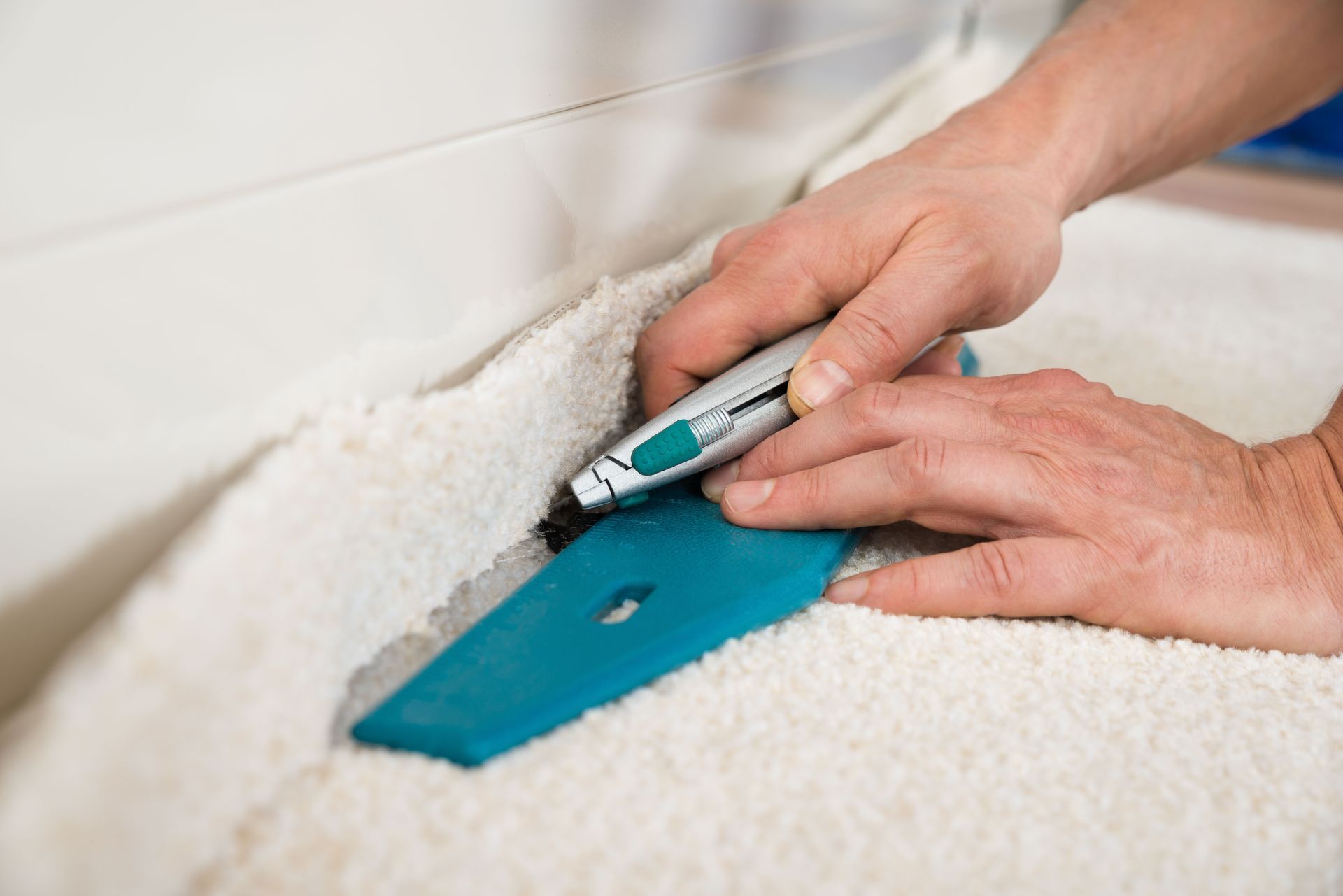
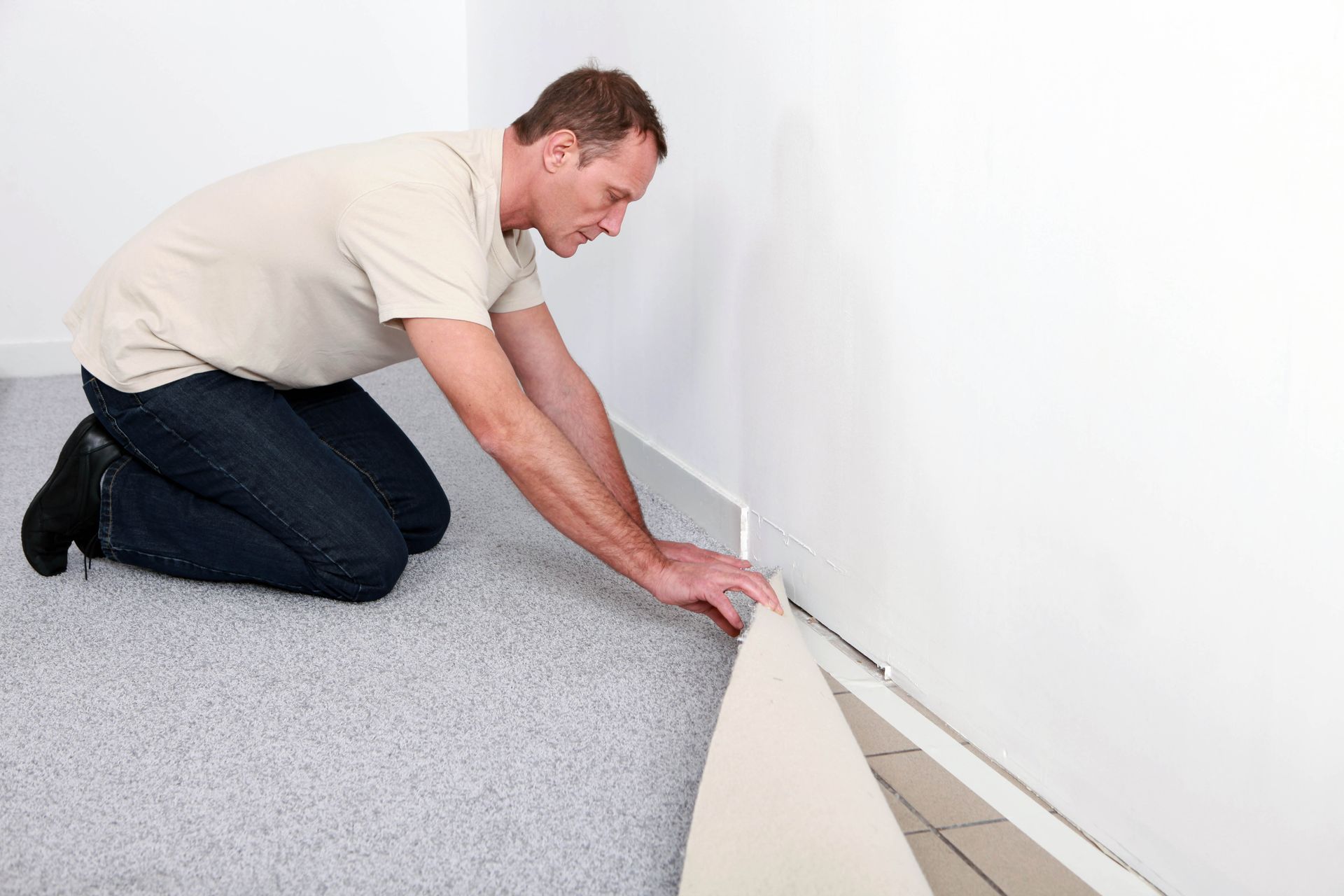
Refinishing existing hardwood floors or restretching worn broadlooms offers another highly economical strategy to boost property value. Sanding down scratched hardwood and applying a modern matte finish completely revives an older interior without the high expense of total tear-out and replacement. For homeowners opting for complete replacements, selecting click-lock floating floors simplifies installation demands, further stretching renovation dollars. Utilizing cost-effective, high-impact surface solutions allows property owners to refresh their interiors efficiently, delivering an unbeatable combination of affordability, style, and elevated home equity.
Upgrading your home's carpet and flooring is one of the most effective, dependable methods to increase overall property value, visual appeal, and daily living comfort. From optimizing energy efficiency and dampening unwanted household noise to creating safe, hypoallergenic environments, the benefits of modern surfaces extend far beyond simple aesthetics. Quality materials offer a lasting return on investment by protecting structural subfloors, reducing maintenance burdens, and captivating prospective buyers the moment they step through the front door. When you are ready to transform your living space with beautiful, durable surfaces that maximize your equity, trust the local experts at The Fargo Flooring Store to deliver unmatched selection, expert guidance, and flawless installation.